
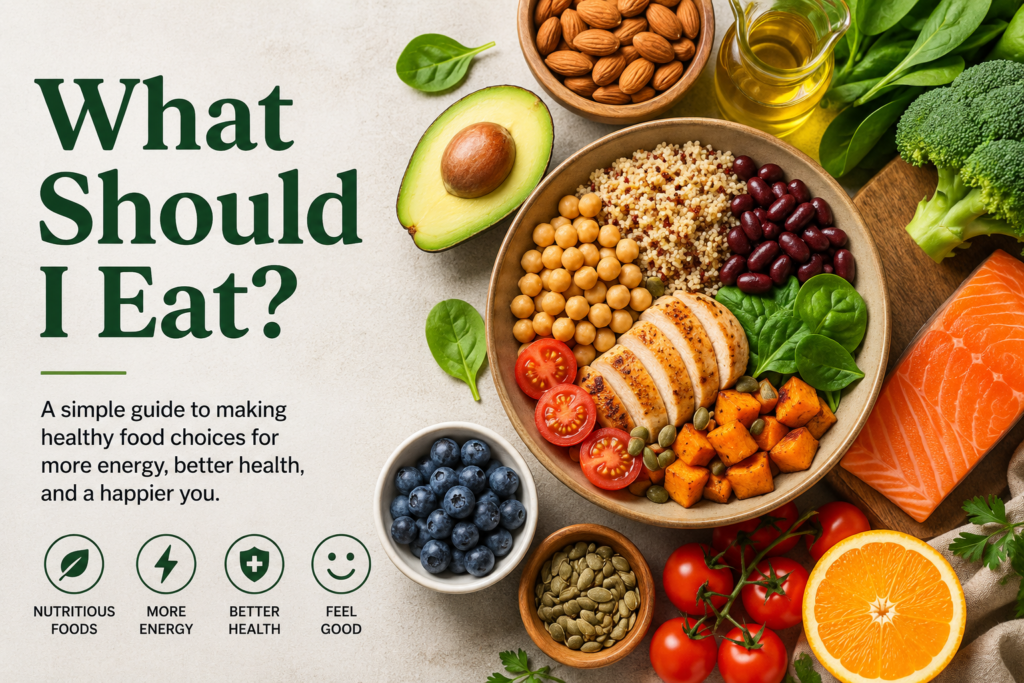
Wondering what should I eat for better health? Choose colorful fruits, vegetables, whole grains, lean proteins, nuts, and healthy fats. A balanced diet supports energy, focus, and overall wellness. For a mind diet for health, include berries, leafy greens, fish, and nuts to help support brain function and healthy aging.
What Should I Eat? A Simple Guide to Making Better food choices
Deciding what to eat can sometimes feel surprisingly complicated. With so many diets, food trends, nutrition claims, and conflicting opinions, it is easy to wonder whether you should choose a salad, a sandwich, a smoothie, a high-protein meal, or simply eat whatever sounds good.
The good news is that healthy eating does not have to be complicated. You do not need to follow a perfect diet or eliminate your favorite foods. Instead, focus on building balanced meals that provide your body with the nutrients, energy, and satisfaction it needs.
Whether you are trying to eat healthier, have more energy, support your fitness goals, or simply make better everyday choices, a few simple principles can make answering “What should I eat?” much easier.
Start With a Balanced Plate
One of the easiest ways to decide what to eat is to think about balance rather than individual foods.
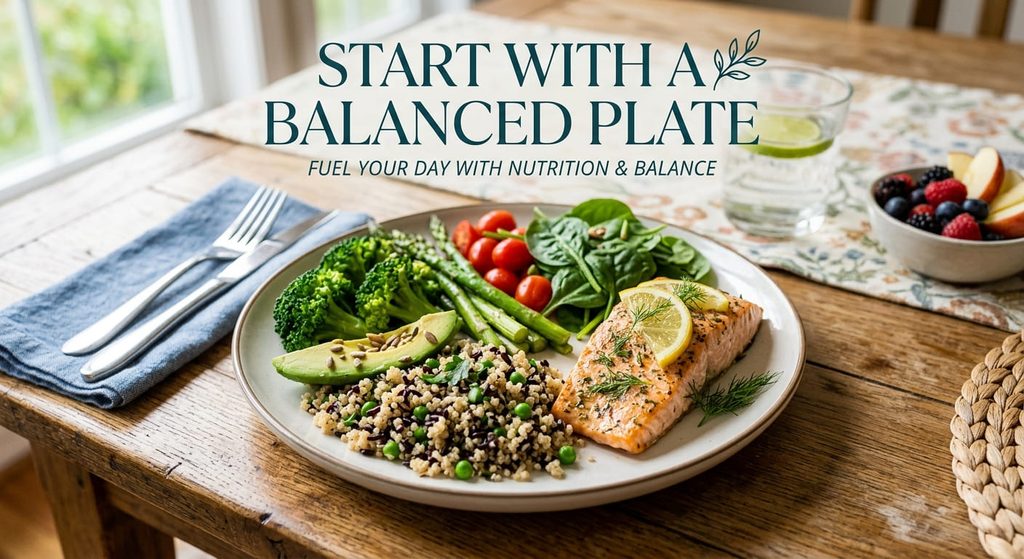
A balanced meal generally includes a combination of vegetables or fruit, a source of protein, a source of carbohydrates, and a small amount of healthy fat.
For example, you could have grilled chicken with brown rice, roasted vegetables, and avocado. Another option could be salmon with potatoes and a large salad. If you prefer plant-based meals, try beans or lentils with quinoa, vegetables, and a tahini-based dressing.
The exact foods do not matter as much as the overall combination.
A useful question to ask before a meal is: “What is missing from my plate?” If you have protein and vegetables but no substantial carbohydrate, you might add potatoes, whole-grain bread, rice, or another grain. If your meal is mostly carbohydrates, adding protein and vegetables can make it more balanced.
Eat More Vegetables and Fruits
Vegetables and fruits are among the easiest foods to include when you are trying to improve your diet. They provide vitamins, minerals, fiber, water, and a variety of beneficial plant compounds.
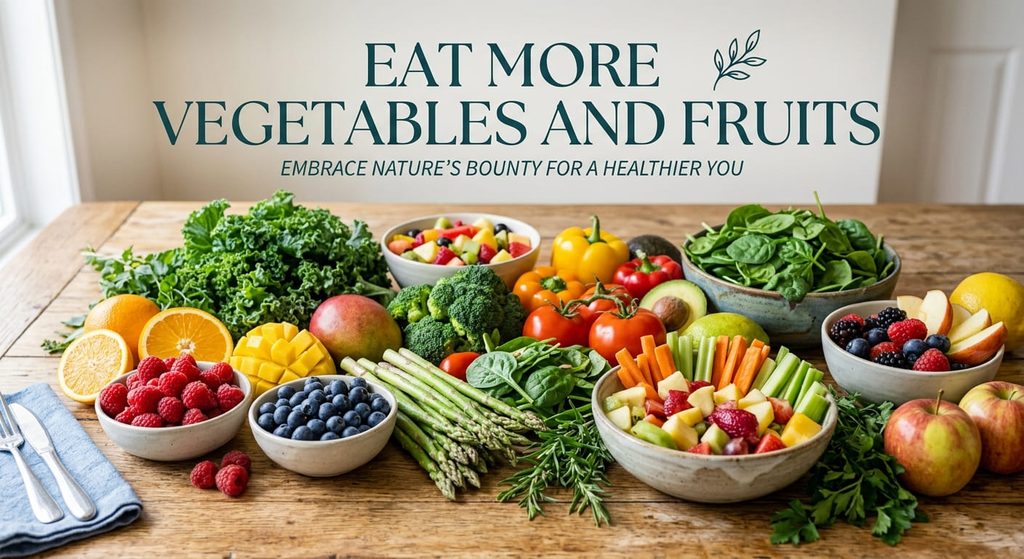
Try to include different colors throughout the week. Leafy greens, tomatoes, carrots, peppers, broccoli, berries, oranges, apples, and other fruits and vegetables all provide different nutrients.
You do not have to eat an enormous salad at every meal. Vegetables can be roasted, steamed, grilled, added to soups, mixed into pasta, or included in sandwiches and wraps.
Fruit is also a convenient option when you want something naturally sweet. An apple with peanut butter, berries with yogurt, or a banana with a handful of nuts can make a simple snack.
Fresh produce is great, but frozen and canned options can also be useful. Choose products with little or no added sugar or excessive sodium when possible.
Make Protein Part of Your Meals
Protein helps build and maintain muscles and also contributes to fullness after eating. Including a protein source in meals can therefore make it easier to create satisfying meals.
Animal-based options include eggs, chicken, turkey, fish, seafood, and lean meats. Dairy foods such as Greek yogurt and cottage cheese can also provide protein.
Plant-based choices include beans, lentils, chickpeas, tofu, tempeh, peas, nuts, and seeds.
You do not need to eat the same protein every day. Variety can make meals more interesting and help you get a broader range of nutrients.
For breakfast, you might choose eggs with whole-grain toast and fruit. For lunch, try a chicken and vegetable wrap. Dinner could be salmon with potatoes and broccoli. A vegetarian option could be a lentil bowl with quinoa and roasted vegetables.
Choose Carbohydrates That Give You Energy
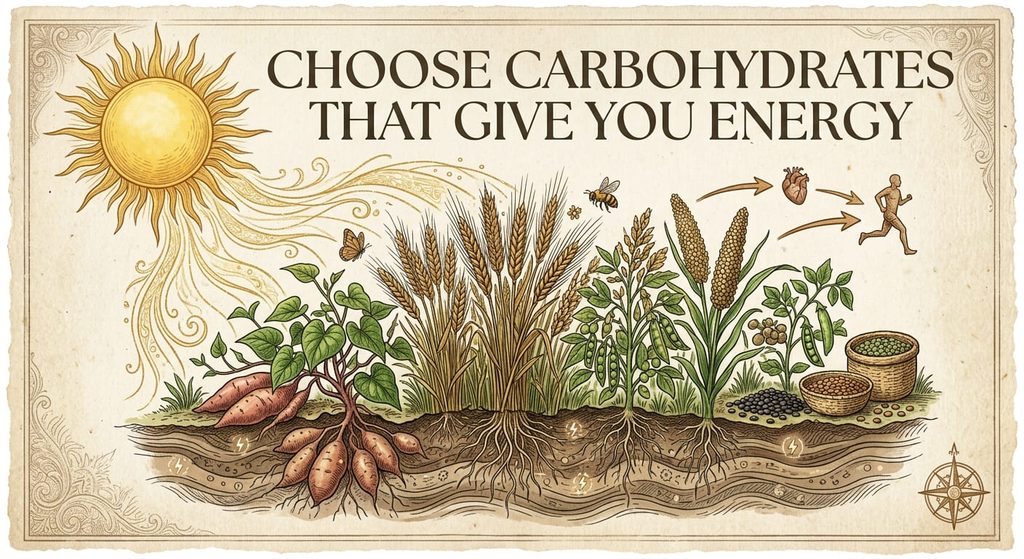
Carbohydrates often receive unnecessary criticism, but they are an important source of energy. The goal is not necessarily to avoid carbohydrates; it is to choose them thoughtfully and consider portion sizes.
Whole grains such as oats, brown rice, quinoa, barley, and whole-grain bread can provide carbohydrates along with fiber and other nutrients.
Other useful carbohydrate sources include potatoes, sweet potatoes, corn, beans, fruit, and whole-grain pasta.
Highly processed foods such as pastries, sugary cereals, candy, and many desserts can still fit into an overall healthy eating pattern, but they generally should not replace nutrient-rich foods on a regular basis.
If you are physically active, carbohydrates can be especially useful because they provide readily available energy for exercise and everyday activity.
Do Not Forget Healthy Fats
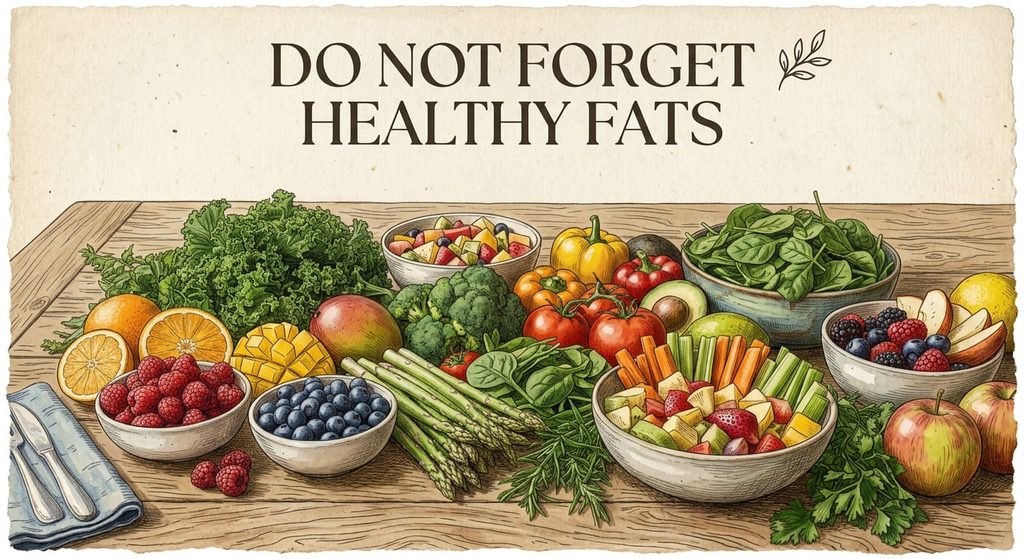
Fat is another important part of a balanced diet. Rather than trying to eliminate fat, include nutritious sources in appropriate amounts.
Avocados, nuts, seeds, olive oil, nut butters, and fatty fish such as salmon are examples of foods that can provide beneficial fats.
Fat also helps make meals more satisfying. A salad with vegetables alone may leave you hungry soon afterward, while adding beans, chicken, avocado, olive oil, or nuts can turn it into a more complete meal.
Because fats are calorie-dense, a little can go a long way. You do not need large amounts to enjoy their flavor and nutritional benefits.
What Should I Eat for Breakfast?
Breakfast does not need to follow a specific formula. Some people enjoy eating soon after waking, while others prefer a later first meal.
If you are hungry in the morning, aim for a combination of protein, fiber-rich carbohydrates, fruit or vegetables, and healthy fats.
Good options include oatmeal topped with berries, nuts, and yogurt; eggs with whole-grain toast and fruit; or Greek yogurt with fruit, oats, and seeds.
A smoothie can also be convenient. Try combining fruit, Greek yogurt or another protein source, vegetables such as spinach, and a small amount of nut butter or seeds.
If you are not hungry in the morning, there is no universal rule saying you must eat a large breakfast. Pay attention to your hunger and energy levels and choose an eating schedule that works for you.
What Should I Eat for Lunch?
Lunch should ideally provide enough energy to carry you through the afternoon without leaving you overly full or sluggish.
A simple formula is protein + vegetables + carbohydrates + healthy fat.
For example, a grain bowl could contain brown rice or quinoa, grilled chicken or chickpeas, mixed vegetables, avocado, and a light dressing.
A sandwich can also be a balanced lunch. Choose whole-grain bread, add a protein such as turkey, chicken, tuna, eggs, or hummus, and include plenty of vegetables.
If you are short on time, leftovers can be one of the easiest solutions. Last night’s roasted chicken, vegetables, and potatoes can become today’s lunch with almost no additional preparation.
What Should I Eat for Dinner?
Dinner does not need to be complicated either. Start with a protein source, add vegetables, and choose a carbohydrate based on your hunger and needs.
For example, grilled salmon with roasted potatoes and green vegetables makes a simple meal. Chicken stir-fry with vegetables and rice is another flexible option. For a plant-based dinner, try black beans with brown rice, peppers, corn, avocado, and salsa.
You can also make healthy meals from inexpensive staples. Eggs, beans, lentils, oats, rice, potatoes, frozen vegetables, and canned fish can all be useful ingredients.
The healthiest dinner is often the one you can realistically prepare and enjoy consistently.
| # | Restaurant | City & State | Healthy Food Options |
|---|---|---|---|
| 1 | Le Botaniste | New York, NY | Plant-based bowls, vegetables, whole-food meals |
| 2 | PLANTA New York | New York, NY | Vegan dishes, vegetables, plant-based meals |
| 3 | Anixi Mediterranean Vegan Restaurant | New York, NY | Mediterranean vegan dishes, vegetables, grains |
| 4 | Terra – Eat Better Food | New York, NY | Mediterranean meals, salads, healthy ingredients |
| 5 | Locanut | New York, NY | Health-focused bowls and nutritious meals |
| 6 | Green Blend / Balanced Food / 8th ave | New York, NY | Smoothies, bowls, balanced meals |
| 7 | Fresh From Hell | New York, NY | Health-focused meals and fresh foods |
| 8 | Shuka | New York, NY | Mediterranean-style dishes and vegetables |
| 9 | Blue Hill | New York, NY | Seasonal, farm-focused American cuisine |
| 10 | Friend Of A Farmer | New York, NY | Farm-style American food and fresh ingredients |
What Should I Eat When I Am Hungry Between Meals?
Snacks can be useful, especially if there are several hours between meals or you are physically active.
Instead of focusing only on calories, consider whether a snack will actually satisfy you.
Some simple combinations include:
- Apple and peanut butter
- Greek yogurt and berries
- Carrots and hummus
- A banana and a handful of nuts
- Whole-grain crackers with cheese
- Cottage cheese and fruit
- Hard-boiled eggs with vegetables
Combining protein, fiber, and healthy fats can help make a snack more satisfying than eating a highly processed food by itself.
What About Cravings and Treats?
Healthy eating does not mean never eating pizza, chocolate, ice cream, burgers, or other favorite foods.
Trying to completely eliminate foods you enjoy can make eating feel restrictive and may make cravings harder to manage. Instead, think about the overall pattern of your diet.
A nutritious diet can include occasional treats. You might enjoy dessert after dinner, order your favorite meal with friends, or have a piece of cake at a celebration.
The important thing is that these foods are part of your overall eating pattern rather than the foundation of it.
Drink Enough Fluids

Sometimes what feels like hunger may actually be thirst, although hunger and thirst are different sensations and should not be treated as interchangeable.
Water is an excellent everyday beverage. Depending on your preferences and needs, unsweetened tea, sparkling water, and other low- or no-sugar drinks can also contribute to fluid intake.
Your fluid needs vary depending on factors such as activity, weather, body size, and other individual circumstances. If you exercise or spend time in hot conditions, you may need more fluids.
Listen to Your Hunger and Fullness
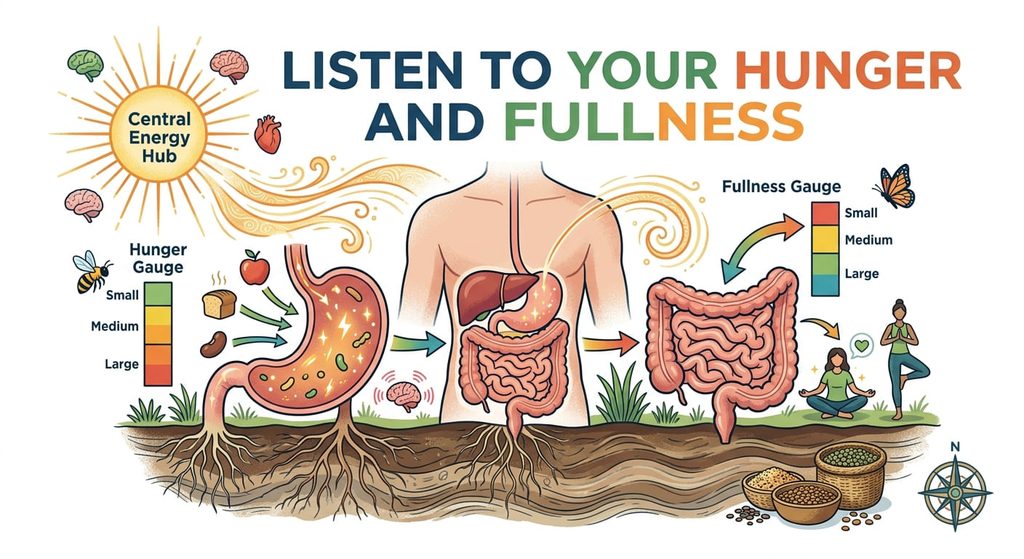
Nutrition is not only about what foods you choose. Learning to notice your body’s signals can also be helpful.
Before eating, consider whether you are physically hungry, eating because food is available, or looking for food because of boredom or stress. None of these situations makes you “bad,” but recognizing the difference can help you make more intentional choices.
During meals, slow down when possible and pay attention to how you feel. You do not have to finish everything on your plate simply because it is there.
At the same time, you should not feel guilty for being hungry or eating a satisfying meal. Food provides energy and nutrients, and eating enough is an important part of taking care of yourself.
A Simple Rule for Everyday Eating
If you are overwhelmed by nutrition advice, return to a few basic questions:
Is there a protein source?
Did I include a fruit or vegetable?
Do I have a satisfying carbohydrate source?
Is there a source of healthy fat?
Will this meal keep me satisfied?
You do not need every meal to be perfect. If one meal is unbalanced, simply make a different choice at the next meal.
Final Thoughts
So, what should you eat?
In most situations, choose a variety of minimally processed and nutrient-rich foods: vegetables, fruits, protein-rich foods, whole grains or other satisfying carbohydrates, healthy fats, and plenty of fluids.
Most importantly, choose foods you actually enjoy. A healthy eating pattern should be realistic enough to maintain over time, not a short-term punishment.
There is no single perfect menu for everyone. Your food choices can depend on your preferences, culture, budget, schedule, activity level, and personal nutritional needs.
Instead of asking, “What is the perfect thing to eat?” try asking, “What balanced meal would make me feel nourished and satisfied right now?”
That simple change in perspective can make healthy eating much easier—and much more sustainable.Deciding what to eat can sometimes feel surprisingly complicated. With so many diets, food trends, nutrition claims, and conflicting opinions, it is easy to wonder whether you should choose a salad, a sandwich, a smoothie, a high-protein meal, or simply eat whatever sounds good.
The good news is that healthy eating does not have to be complicated. You do not need to follow a perfect diet or eliminate your favorite foods. Instead, focus on building balanced meals that provide your body with the nutrients, energy, and satisfaction it needs.
Whether you are trying to eat healthier, have more energy, support your fitness goals, or simply make better everyday choices, a few simple principles can make answering “What should I eat?” much easier.
Start With a Balanced Plate
One of the easiest ways to decide what to eat is to think about balance rather than individual foods.
A balanced meal generally includes a combination of vegetables or fruit, a source of protein, a source of carbohydrates, and a small amount of healthy fat.
For example, you could have grilled chicken with brown rice, roasted vegetables, and avocado. Another option could be salmon with potatoes and a large salad. If you prefer plant-based meals, try beans or lentils with quinoa, vegetables, and a tahini-based dressing.
The exact foods do not matter as much as the overall combination.
A useful question to ask before a meal is: “What is missing from my plate?” If you have protein and vegetables but no substantial carbohydrate, you might add potatoes, whole-grain bread, rice, or another grain. If your meal is mostly carbohydrates, adding protein and vegetables can make it more balanced.
Eat More Vegetables and Fruits
Vegetables and fruits are among the easiest foods to include when you are trying to improve your diet. They provide vitamins, minerals, fiber, water, and a variety of beneficial plant compounds.
Try to include different colors throughout the week. Leafy greens, tomatoes, carrots, peppers, broccoli, berries, oranges, apples, and other fruits and vegetables all provide different nutrients.
You do not have to eat an enormous salad at every meal. Vegetables can be roasted, steamed, grilled, added to soups, mixed into pasta, or included in sandwiches and wraps.
Fruit is also a convenient option when you want something naturally sweet. An apple with peanut butter, berries with yogurt, or a banana with a handful of nuts can make a simple snack.
Fresh produce is great, but frozen and canned options can also be useful. Choose products with little or no added sugar or excessive sodium when possible.
Make Protein Part of Your Meals
Protein helps build and maintain muscles and also contributes to fullness after eating. Including a protein source in meals can therefore make it easier to create satisfying meals.
Animal-based options include eggs, chicken, turkey, fish, seafood, and lean meats. Dairy foods such as Greek yogurt and cottage cheese can also provide protein.
Plant-based choices include beans, lentils, chickpeas, tofu, tempeh, peas, nuts, and seeds.
You do not need to eat the same protein every day. Variety can make meals more interesting and help you get a broader range of nutrients.
For breakfast, you might choose eggs with whole-grain toast and fruit. For lunch, try a chicken and vegetable wrap. Dinner could be salmon with potatoes and broccoli. A vegetarian option could be a lentil bowl with quinoa and roasted vegetables.
Choose Carbohydrates That Give You Energy
Carbohydrates often receive unnecessary criticism, but they are an important source of energy. The goal is not necessarily to avoid carbohydrates; it is to choose them thoughtfully and consider portion sizes.
Whole grains such as oats, brown rice, quinoa, barley, and whole-grain bread can provide carbohydrates along with fiber and other nutrients.
Other useful carbohydrate sources include potatoes, sweet potatoes, corn, beans, fruit, and whole-grain pasta.
Highly processed foods such as pastries, sugary cereals, candy, and many desserts can still fit into an overall healthy eating pattern, but they generally should not replace nutrient-rich foods on a regular basis.
If you are physically active, carbohydrates can be especially useful because they provide readily available energy for exercise and everyday activity.
Do Not Forget Healthy Fats
Fat is another important part of a balanced diet. Rather than trying to eliminate fat, include nutritious sources in appropriate amounts.
Avocados, nuts, seeds, olive oil, nut butters, and fatty fish such as salmon are examples of foods that can provide beneficial fats.
Fat also helps make meals more satisfying. A salad with vegetables alone may leave you hungry soon afterward, while adding beans, chicken, avocado, olive oil, or nuts can turn it into a more complete meal.
Because fats are calorie-dense, a little can go a long way. You do not need large amounts to enjoy their flavor and nutritional benefits.
What Should I Eat for Breakfast?
Breakfast does not need to follow a specific formula. Some people enjoy eating soon after waking, while others prefer a later first meal.
If you are hungry in the morning, aim for a combination of protein, fiber-rich carbohydrates, fruit or vegetables, and healthy fats.
Good options include oatmeal topped with berries, nuts, and yogurt; eggs with whole-grain toast and fruit; or Greek yogurt with fruit, oats, and seeds.
A smoothie can also be convenient. Try combining fruit, Greek yogurt or another protein source, vegetables such as spinach, and a small amount of nut butter or seeds.
If you are not hungry in the morning, there is no universal rule saying you must eat a large breakfast. Pay attention to your hunger and energy levels and choose an eating schedule that works for you.
What Should I Eat for Lunch?
Lunch should ideally provide enough energy to carry you through the afternoon without leaving you overly full or sluggish.
A simple formula is protein + vegetables + carbohydrates + healthy fat.
For example, a grain bowl could contain brown rice or quinoa, grilled chicken or chickpeas, mixed vegetables, avocado, and a light dressing.
A sandwich can also be a balanced lunch. Choose whole-grain bread, add a protein such as turkey, chicken, tuna, eggs, or hummus, and include plenty of vegetables.
If you are short on time, leftovers can be one of the easiest solutions. Last night’s roasted chicken, vegetables, and potatoes can become today’s lunch with almost no additional preparation.
What Should I Eat for Dinner?
Dinner does not need to be complicated either. Start with a protein source, add vegetables, and choose a carbohydrate based on your hunger and needs.
For example, grilled salmon with roasted potatoes and green vegetables makes a simple meal. Chicken stir-fry with vegetables and rice is another flexible option. For a plant-based dinner, try black beans with brown rice, peppers, corn, avocado, and salsa.
You can also make healthy meals from inexpensive staples. Eggs, beans, lentils, oats, rice, potatoes, frozen vegetables, and canned fish can all be useful ingredients.
The healthiest dinner is often the one you can realistically prepare and enjoy consistently.
What Should I Eat When I Am Hungry Between Meals?
Snacks can be useful, especially if there are several hours between meals or you are physically active.
Instead of focusing only on calories, consider whether a snack will actually satisfy you.
Some simple combinations include:
- Apple and peanut butter
- Greek yogurt and berries
- Carrots and hummus
- A banana and a handful of nuts
- Whole-grain crackers with cheese
- Cottage cheese and fruit
- Hard-boiled eggs with vegetables
Combining protein, fiber, and healthy fats can help make a snack more satisfying than eating a highly processed food by itself.
What About Cravings and Treats?
Healthy eating does not mean never eating pizza, chocolate, ice cream, burgers, or other favorite foods.
Trying to completely eliminate foods you enjoy can make eating feel restrictive and may make cravings harder to manage. Instead, think about the overall pattern of your diet.
A nutritious diet can include occasional treats. You might enjoy dessert after dinner, order your favorite meal with friends, or have a piece of cake at a celebration.
The important thing is that these foods are part of your overall eating pattern rather than the foundation of it.
Drink Enough Fluids
Sometimes what feels like hunger may actually be thirst, although hunger and thirst are different sensations and should not be treated as interchangeable.
Water is an excellent everyday beverage. Depending on your preferences and needs, unsweetened tea, sparkling water, and other low- or no-sugar drinks can also contribute to fluid intake.
Your fluid needs vary depending on factors such as activity, weather, body size, and other individual circumstances. If you exercise or spend time in hot conditions, you may need more fluids.
Listen to Your Hunger and Fullness
Nutrition is not only about what foods you choose. Learning to notice your body’s signals can also be helpful.
Before eating, consider whether you are physically hungry, eating because food is available, or looking for food because of boredom or stress. None of these situations makes you “bad,” but recognizing the difference can help you make more intentional choices.
During meals, slow down when possible and pay attention to how you feel. You do not have to finish everything on your plate simply because it is there.
At the same time, you should not feel guilty for being hungry or eating a satisfying meal. Food provides energy and nutrients, and eating enough is an important part of taking care of yourself.
A Simple Rule for Everyday Eating
If you are overwhelmed by nutrition advice, return to a few basic questions:
Is there a protein source?
Did I include a fruit or vegetable?
Do I have a satisfying carbohydrate source?
Is there a source of healthy fat?
Will this meal keep me satisfied?
You do not need every meal to be perfect. If one meal is unbalanced, simply make a different choice at the next meal.
Final Thoughts
So, what should you eat?
In most situations, choose a variety of minimally processed and nutrient-rich foods: vegetables, fruits, protein-rich foods, whole grains or other satisfying carbohydrates, healthy fats, and plenty of fluids.
Most importantly, choose foods you actually enjoy. A healthy eating pattern should be realistic enough to maintain over time, not a short-term punishment.
There is no single perfect menu for everyone. Your food choices can depend on your preferences, culture, budget, schedule, activity level, and personal nutritional needs.
Instead of asking, “What is the perfect thing to eat?” try asking, “What balanced meal would make me feel nourished and satisfied right now?”
That simple change in perspective can make healthy eating much easier—and much more sustainable.