

Healthy Person, Healthy Life: Simple Habits for Better health and well-being
Being healthy is not about being perfect, following extreme diets, or spending hours in the gym every day. True health comes from making consistent choices that support your body, mind, and emotional well-being. A healthy person is someone who takes care of their physical health while also making time for rest, relationships, mental wellness, and enjoyable activities.
Being a healthy person is not about following a strict routine or making major changes overnight. Small, consistent habits can improve your energy, mood, fitness, and overall well-being. A balanced lifestyle begins with simple choices that you can maintain every day.
One of the most important questions is What Should I Eat to stay healthy? Choose a variety of nutritious foods, including vegetables, fruits, whole grains, beans, lean proteins, and healthy fats. Limit highly processed foods, excessive sugar, and unhealthy fats. Drinking enough water throughout the day is also essential.
Regular physical activity is another key habit. Walking, cycling, stretching, or exercising for around 30 minutes a day can help support your heart, muscles, and mental health. Getting enough quality sleep is equally important because your body needs time to recover and recharge.
A healthy person also manages stress, maintains good personal hygiene, avoids smoking, and makes time for relaxation and social connections. Keeping a positive mindset and setting realistic health goals can make healthy habits easier to maintain.
Remember, becoming healthier is a gradual process. Start with one or two simple changes and build from there.
The good news is that becoming healthier does not require changing your entire life overnight. Small, practical improvements can gradually become lasting habits. Eating nutritious foods, staying physically active, sleeping well, managing stress, maintaining healthy relationships, and avoiding harmful behaviors can all contribute to a stronger and happier life.
1. Nourish Your Body With Healthy Food
Food provides the energy and nutrients your body needs to function properly. A balanced diet can help support your immune system, maintain healthy body weight, strengthen bones and muscles, and keep your energy levels steady.
A healthy eating pattern should include a variety of foods rather than focusing on one “perfect” food or eliminating entire food groups without a medical reason.
Choose More Whole, Nutrient-Dense Foods
Try to make fruits and vegetables a regular part of your meals. Different-colored produce provides different nutrients, so variety is useful. Apples, oranges, berries, leafy greens, carrots, tomatoes, peppers, and other vegetables and fruits can all contribute to a balanced diet.
Whole grains such as oats, brown rice, quinoa, and whole-wheat products provide useful nutrients and fiber. Protein sources can include beans, lentils, fish, eggs, tofu, poultry, and other lean options. Healthy fats from foods such as nuts, seeds, avocados, and olive oil can also be part of a balanced eating pattern.
Hydration matters as well. Drinking enough water throughout the day helps your body perform many essential functions. Individual needs vary depending on factors such as activity level, climate, age, and health.
Practice Mindful Eating
Healthy eating is also about how you eat. Eating slowly and paying attention to hunger and fullness can help you become more aware of your body’s signals. Try to enjoy meals without constantly eating in front of a screen or rushing through them.
You do not have to avoid every treat. An occasional dessert or favorite food can fit into an overall healthy lifestyle. Balance and consistency are generally more sustainable than strict rules.
| # | Place | State | Why It’s Good for a Healthy Lifestyle |
|---|---|---|---|
| 1 | Arlington | Virginia | Fitness, walking, parks & active transportation |
| 2 | San Francisco | California | Healthy food, green spaces & outdoor activities |
| 3 | San Diego | California | Outdoor recreation, fitness & healthy lifestyle |
| 4 | Seattle | Washington | Parks, walking, biking & outdoor activities |
| 5 | Denver | Colorado | Hiking, cycling, fitness & active living |
| 6 | Minneapolis | Minnesota | Trails, parks, biking & recreation |
| 7 | Washington, D.C. | District of Columbia | Walkability, parks & fitness opportunities |
| 8 | Portland | Oregon | Walking, cycling, parks & healthy food |
| 9 | Honolulu | Hawaii | Outdoor activities, beaches & active lifestyle |
| 10 | Boston | Massachusetts | Walkability, healthcare & fitness opportunities |
2. Move Your Body Every Day
Physical activity is one of the most important parts of a healthy lifestyle. Regular movement supports cardiovascular fitness, muscle strength, bone health, mobility, and mental well-being.
You do not need to become a professional athlete. Walking, cycling, swimming, dancing, gardening, playing sports, or taking active breaks during the day can all help you become more physically active.
For many adults, a useful general goal is at least 150 minutes of moderate-intensity aerobic activity per week, combined with muscle-strengthening activities on two or more days, although individual needs differ.
Make Movement Enjoyable
The best exercise is often the activity you are willing to do consistently. If you dislike running, you do not have to run. Try brisk walking, dancing, hiking, swimming, yoga, or another activity that you enjoy.
Look for opportunities to move during ordinary activities. Take the stairs when appropriate, walk short distances instead of driving, stretch during breaks, or spend time outdoors.
Remember that some movement is better than none. If you have been inactive, start gradually and increase your activity over time.
3. Make Quality Sleep a Priority
Sleep is not wasted time. It is an essential part of physical and mental health. During sleep, the body performs important processes related to recovery, memory, mood, and normal functioning.
Many adults need around seven to nine hours of sleep each night, although individual requirements vary.
Create Better Sleep Habits
Going to bed and waking up at approximately the same time each day can help establish a consistent routine. A relaxing bedtime routine can also signal to your body that it is time to rest.
Keep your bedroom comfortable, quiet, and dark when possible. Limiting stimulating activities and bright screens before bedtime may also help some people prepare for sleep.
Caffeine can remain in the body for several hours, so consuming caffeinated drinks late in the day may interfere with sleep for some individuals.
If you regularly have difficulty sleeping, experience excessive daytime sleepiness, or suspect a sleep disorder, consider discussing the problem with a healthcare professional.
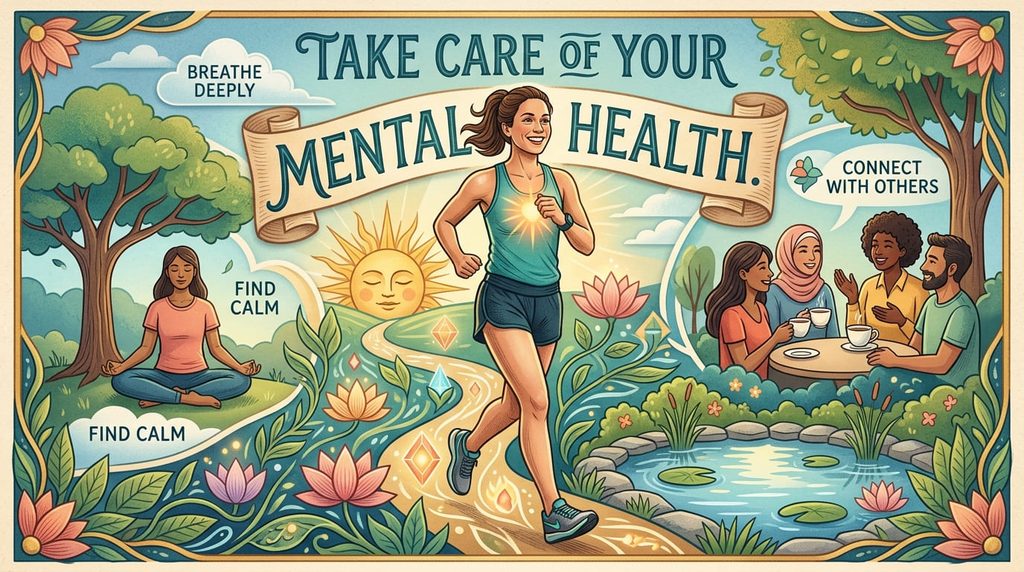
4. Take Care of Your Mental Health
Being physically healthy is only one part of overall well-being. Mental and emotional health also deserve regular attention.
Stress is a normal part of life, but constant or overwhelming stress can affect how you feel and function. Developing healthy ways to manage stress can make everyday challenges easier to handle.
Support Your Mental Well-Being
Simple practices can include spending time outdoors, exercising, maintaining hobbies, practicing relaxation or breathing exercises, writing in a journal, and talking with someone you trust.
It is also important to recognize when you need additional support. Seeking help from a qualified mental-health professional is not a weakness. It is a practical step toward taking care of yourself.
Give yourself permission to rest. You do not have to be productive every minute of the day. Healthy living includes enjoyable activities, relaxation, and time away from responsibilities.
5. Build Healthy Habits That Last
Many people try to make dramatic lifestyle changes and then become discouraged when they cannot maintain them. A more sustainable approach is to start small.
Instead of deciding to completely transform your diet, you might begin by adding a serving of vegetables to one meal each day. Instead of committing to an intense workout routine, start with a daily walk.
Make Habits Easier to Maintain
Be specific about what you want to change. “I will exercise more” is vague, while “I will walk for 20 minutes after dinner on Monday, Wednesday, and Friday” gives you a clear action.
Connect new habits to routines you already have. For example, you could stretch after brushing your teeth or drink water when you begin your workday.
Track your progress if it motivates you, but do not expect perfection. Missing one workout or eating an unhealthy meal does not erase your progress. The goal is to return to your healthy routine and continue moving forward.
Consistency matters more than perfection.
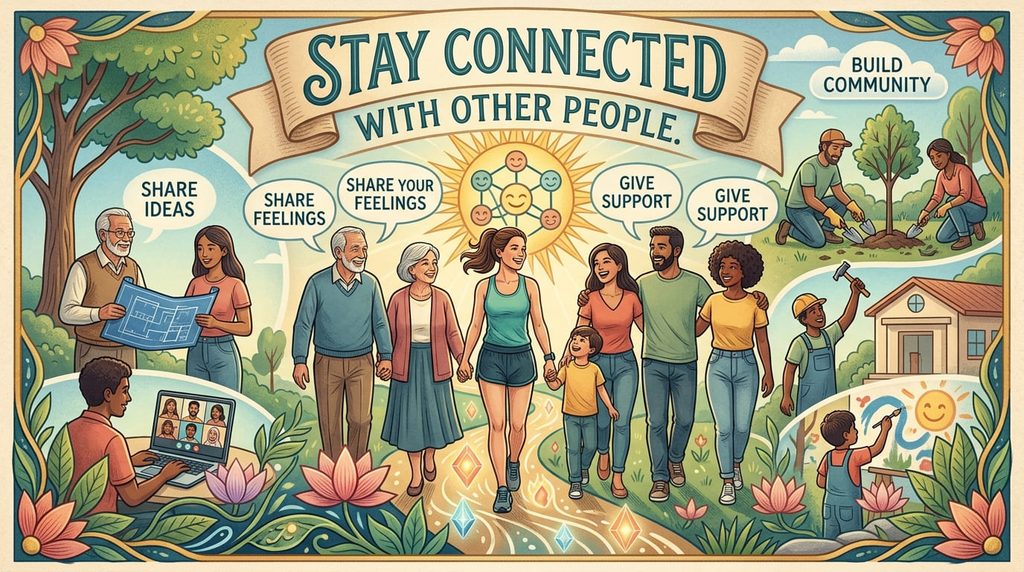
6. Stay Connected With Other People
Human beings need social connection. Healthy relationships can provide emotional support, companionship, encouragement, and a sense of belonging.
Make time for family members, friends, colleagues, neighbors, or community groups. Even a short conversation can help reduce feelings of isolation.
Healthy relationships should also involve respect and boundaries. Learn to communicate openly, listen to others, and recognize relationships that consistently cause harm or distress.
Helping other people can benefit your own well-being too. Acts of kindness, volunteering, and supporting someone who is struggling can create a stronger sense of purpose and connection.
7. Avoid Habits That Can Harm Your Health
A healthy lifestyle is not only about what you should do; it is also about reducing behaviors that can damage your health.
Smoking and tobacco use are major health risks. Excessive alcohol consumption can also create serious health problems. Other behaviors, such as prolonged physical inactivity, consistently poor sleep, and excessive consumption of highly processed foods, can negatively affect well-being when they become long-term patterns.
If you are trying to change an established habit, seek support when necessary. Healthcare professionals, counselors, support groups, and trusted people in your life can make change easier.
8. Give Your Body Regular Attention
Feeling healthy does not mean ignoring your health until something goes wrong. Preventive healthcare can help identify potential problems early.
Depending on your age, sex, family history, and individual risk factors, preventive care may include routine medical visits, recommended screenings, vaccinations, dental care, eye examinations, and other assessments.
Pay attention to unusual or persistent changes in your body. If something concerns you, speak with an appropriate healthcare professional rather than relying only on information found online.
9. Create a Healthy Environment
Your surroundings can influence your habits. If nutritious foods are easy to access, you may be more likely to eat them. If walking shoes are ready by the door, you may be more likely to go for a walk.
Try making healthy choices convenient. Keep water available, prepare nutritious meals ahead of time, organize your sleeping environment, and create spaces where you can relax.
You can also reduce unnecessary stress by setting boundaries around work, social media, and other demands on your attention.
Conclusion
Being a healthy person is not about achieving an ideal appearance or following every health trend. It is about building a lifestyle that supports your physical, mental, and emotional well-being.
Eat a varied and nutritious diet. Move your body regularly. Get enough quality sleep. Manage stress. Stay connected with people who support you. Avoid harmful habits and take appropriate care of your health.
Most importantly, start small. You do not need to change everything today. Choose one healthy habit, practice it consistently, and then build from there.
Health is a long-term journey rather than a destination. The small choices you make today can become the foundation for a stronger, more energetic, and more fulfilling life tomorrow.
This article provides general wellness information and is not a substitute for individualized medical advice.