
Healthy skin is an important part of overall well-being. Our skin is the largest organ of the body, and it works every day to protect us from pollution, sunlight, bacteria, and other environmental factors. A good skin care routine can help keep the skin clean, hydrated, smooth, and healthy. However, skin care is not only about using expensive products. Understanding your skin type, choosing suitable products, maintaining healthy habits, and following a consistent routine are all important for achieving healthy-looking skin.

Everyone’s skin is different, which means that there is no single skin care routine that works perfectly for everyone. Some people have dry skin, while others have oily, sensitive, or combination skin. The right approach depends on your individual needs. This article explains the basics of skin care, different skin types, essential routines, helpful ingredients, common mistakes, and practical tips for maintaining healthy and radiant skin.
Understanding Your Skin Type
The first step in building an effective skin care routine is understanding your skin type. When you know how your skin behaves, you can select products that are more suitable for your needs.
Normal Skin
Normal skin is generally balanced. It is neither excessively oily nor overly dry. People with normal skin may have small pores, an even skin tone, and few skin concerns. However, normal skin still needs regular cleansing, moisturizing, and sun protection.
Oily Skin
Oily skin produces more natural oil, also called sebum. This can make the face appear shiny and may contribute to enlarged pores, blackheads, and acne. Oily skin benefits from gentle cleansing and lightweight, non-comedogenic products. It is important not to over-cleanse, because stripping away too much oil can sometimes encourage the skin to produce even more.
Dry Skin
Dry skin may feel tight, rough, flaky, or uncomfortable. It can occur when the skin lacks enough moisture or when its protective barrier is weakened. A gentle cleanser and a rich moisturizer can help support dry skin. Products containing ingredients such as glycerin, hyaluronic acid, and ceramides may also be helpful.
Combination Skin
Combination skin has both oily and dry areas. The forehead, nose, and chin, often called the T-zone, may become oily, while the cheeks may be normal or dry. People with combination skin may need to balance their routine by using gentle and lightweight products.
Sensitive Skin
Sensitive skin may react easily to certain products or environmental factors. It can become red, itchy, dry, or irritated. Fragrance-free and gentle products are often preferred. When trying a new product, it can be helpful to test it on a small area first.
The Importance of a Basic Skin Care Routine

A complicated routine with many products is not always necessary. In fact, a simple routine followed consistently can be more beneficial than frequently changing products. A basic skin care routine usually includes cleansing, treating specific concerns, moisturizing, and protecting the skin from the sun.
Step 1: Cleanse
Cleansing helps remove dirt, excess oil, sweat, sunscreen, and makeup from the skin. Washing your face regularly can help keep pores clear and prepare the skin for the products that follow.
Choose a cleanser based on your skin type. Dry or sensitive skin may benefit from a mild, hydrating cleanser, while oily skin may prefer a gentle gel or foaming cleanser. Avoid harsh scrubbing or washing your face too frequently, as this can cause irritation.
For many people, cleansing in the morning and evening is enough. If you exercise or sweat heavily, additional cleansing may sometimes be appropriate.
Step 2: Apply Treatment Products
Treatment products are used to address specific skin concerns. These may include acne, dark spots, dryness, uneven texture, or signs of aging.
Serums and other treatment products often contain concentrated ingredients. For example, vitamin C is commonly used in routines focused on brightness, while niacinamide may support the skin barrier and help improve the appearance of uneven tone. Salicylic acid is often included in products designed for acne-prone skin.
It is usually best to introduce new products gradually. Using several powerful treatments at once may increase the risk of irritation.
Step 3: Moisturize
Moisturizing is important for every skin type, including oily skin. A moisturizer helps support the skin’s natural barrier and reduces moisture loss.
People with dry skin may prefer a cream with a richer texture, while oily skin may feel more comfortable using a lightweight lotion or gel. The most important factor is choosing a product that feels suitable for your skin and does not cause unnecessary irritation.
Step 4: Use Sunscreen
Sun protection is one of the most important parts of daily skin care. Sun exposure can contribute to premature signs of aging and changes in skin appearance. Using a broad-spectrum sunscreen as directed can help protect the skin from ultraviolet radiation.
Sunscreen should be part of your daytime routine, even when the weather is cloudy. If you spend extended time outdoors, follow the product directions regarding reapplication and use additional protection such as hats, sunglasses, and shade when appropriate.
Important Skin Care Ingredients
Learning about common ingredients can make it easier to choose products. You do not need every ingredient in your routine. Instead, focus on the ones that match your skin concerns.
Hyaluronic Acid
Hyaluronic acid is widely used in hydrating products. It helps attract and retain water, which can make the skin appear more hydrated and smooth.
Vitamin C
Vitamin C is commonly included in antioxidant skin care products. It is often used in routines designed to improve the appearance of dull or uneven-looking skin. Because formulations can vary, it is important to use products according to their instructions.
Niacinamide
Niacinamide is a popular ingredient that can support the skin barrier and help improve the appearance of uneven skin tone and excess oil.
Retinoids
Retinoids are commonly used in skin care products designed to improve the appearance of fine lines, texture, and acne. Some people may experience dryness or irritation when beginning a retinoid. Starting gradually and following professional guidance when needed can be helpful.
Salicylic Acid
Salicylic acid is a common ingredient in products for oily and acne-prone skin. It can help unclog pores and improve the appearance of blemishes. Overuse may cause dryness or irritation, so moderation is important.
Ceramides
Ceramides are lipids that naturally occur in the skin. Products containing ceramides are often used to support the skin’s protective barrier and improve moisture retention.
Healthy Lifestyle Habits and Skin Care

Skin care does not depend only on what you apply to your face. Daily habits can also influence the appearance and condition of your skin.
Stay Hydrated
Drinking enough fluids is important for overall health. While water alone is not a magical solution for every skin concern, proper hydration supports the normal functioning of the body.
Eat a Balanced Diet
A balanced diet that includes fruits, vegetables, protein, and healthy fats can support overall health. Foods rich in vitamins and other nutrients are part of a healthy lifestyle.
Get Enough Sleep
Sleep is an important time for the body to rest and recover. Poor sleep may affect your overall appearance and leave you looking tired. Developing a consistent sleep routine can benefit both general wellness and your daily skin care habits.
Manage Stress
Stress can affect many aspects of health and may also influence skin concerns for some people. Activities such as walking, exercise, relaxation, hobbies, and adequate rest may help support stress management.
Avoid Smoking
Smoking can negatively affect overall health and may also contribute to premature skin aging. Avoiding tobacco is an important step for general health.
Weekly Skin Care Treatments
In addition to a daily routine, some people choose to use occasional treatments.
Exfoliation
Exfoliation removes dead skin cells from the surface of the skin. It may help improve the appearance of dullness and texture. However, excessive exfoliation can damage the skin barrier and cause irritation.
Choose gentle exfoliation and avoid using too many exfoliating products at the same time.
Face Masks
Face masks can provide an additional skin care experience. Hydrating masks may be useful for dry-feeling skin, while clay masks are often used by people with oily skin. A face mask should complement a basic routine rather than replace it.
Common Skin Care Mistakes
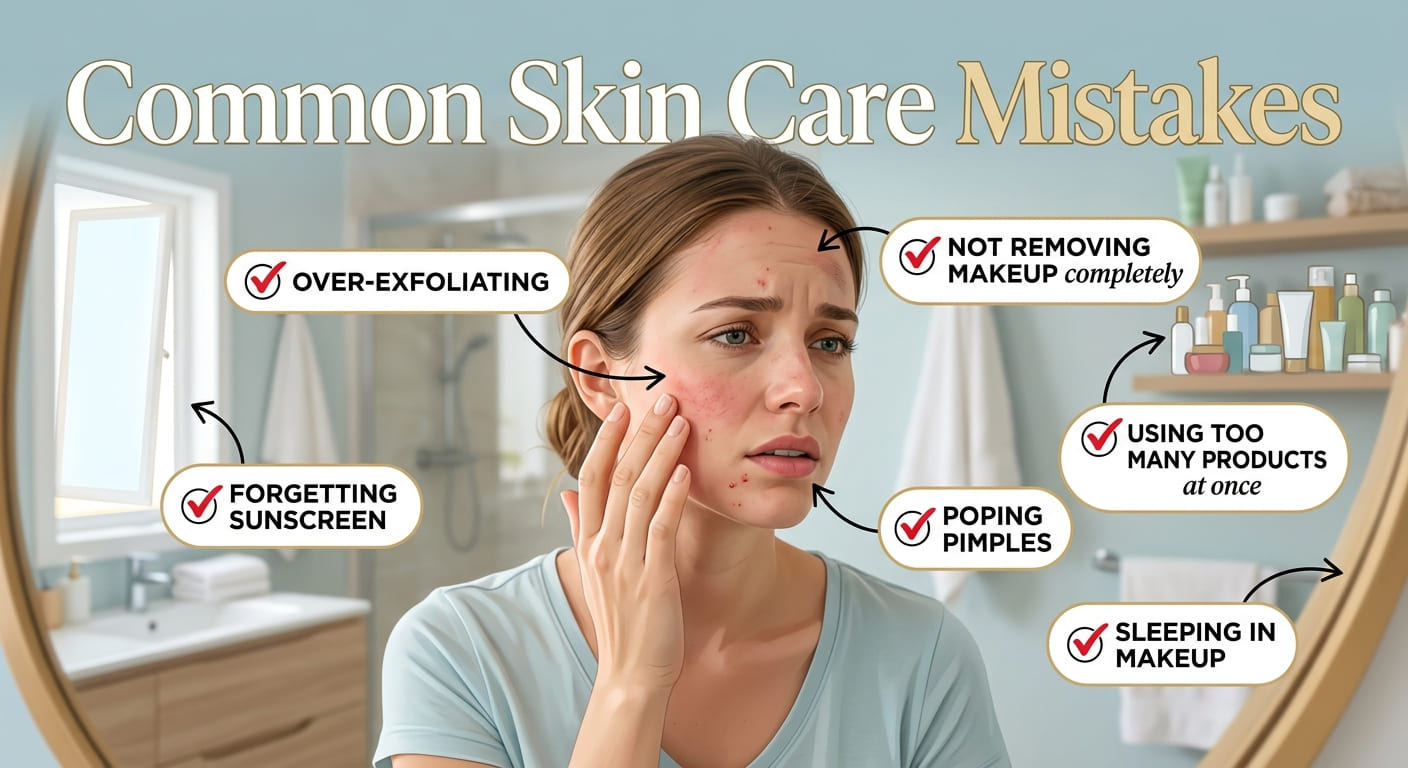
Many people make simple mistakes that can prevent them from getting the results they want.
Using Too Many Products
Using numerous products does not automatically mean better skin. Combining multiple strong ingredients may cause irritation or make it difficult to identify which product is causing a problem.
Skipping Moisturizer
Even oily skin needs moisture. Skipping moisturizer may leave the skin feeling unbalanced. The key is selecting a texture that works for your skin type.
Skipping Sunscreen
Sun protection should not be ignored simply because you are indoors most of the day or because the weather is cloudy. Daily sun protection is an important part of a complete skin care routine.
Changing Products Too Frequently
Skin care usually requires patience. Constantly switching products can make it difficult to determine what works for you. Give suitable products time while paying attention to any irritation or adverse reactions.
Sleeping With Makeup On
Leaving makeup on overnight can allow dirt, oil, and product residue to remain on the skin. Cleansing before bed is a simple habit that can help keep your routine consistent.
Picking at the Skin
Picking or squeezing pimples can irritate the skin and may worsen marks or scarring. It is generally better to use appropriate treatment products and seek professional advice for persistent concerns.
Building a Simple Morning Routine
A basic morning skin care routine may look like this:
- Cleanser – Gently cleanse the skin if needed.
- Serum or treatment – Apply a suitable product for your skin concerns.
- Moisturizer – Help maintain hydration and support the skin barrier.
- Sunscreen – Apply appropriate sun protection as the final major step of your daytime routine.
Building a Simple Evening Routine
An evening routine can focus on cleansing and recovery:
- Remove makeup and sunscreen if necessary.
- Cleanse to remove dirt and excess oil.
- Apply treatment products suitable for your skin.
- Moisturize to support hydration overnight.
The best routine is one that you can follow consistently.
When to Seek Professional Advice

Some skin concerns, including persistent acne, severe irritation, unusual rashes, or rapidly changing skin spots, may require professional evaluation. A dermatologist or another qualified healthcare professional can provide advice based on your individual needs.
It is especially important to seek professional guidance if a skin problem is painful, severe, persistent, or getting worse.
What is the most basic skincare routine for beginners? A simple, effective routine requires only three steps: a gentle cleanser, a moisturizer suited to your skin type, and a broad-spectrum sunscreen (SPF 30+) every morning.
In what order should I apply my skincare products? The general rule is to apply products from thinnest to thickest consistency:
- Cleanser
- Toner / Essence
- Serums / Active Treatments
- Eye Cream
- Moisturizer
- Sunscreen (AM only) or Facial Oil (PM only)
How do I determine my skin type? Wash your face with a gentle cleanser, pat dry, and wait 30 minutes without applying any products:
- Oily: Entire face looks shiny and feels greasy.
- Dry: Skin feels tight, flaky, or rough.
- Combination: Shiny in the T-zone (forehead, nose, chin) but dry/normal on the cheeks.
- Sensitive: Easily gets red, burns, or reacts to products.
- Normal: Balanced, neither overly dry nor oily.
How long does it take to see results from a new product? Skin cell turnover takes roughly 28 days. While hydrating products give instant plumping, active ingredients (like Retinol, Vitamin C, or Exfoliating Acids) usually take 4 to 8 weeks of consistent use to show visible changes.
Is sunscreen necessary every day, even indoors or on cloudy days? Yes. UVA rays penetrate glass and clouds, causing premature aging, hyperpigmentation, and skin damage year-round.
Can I use Vitamin C and Retinol together? It is best to separate them to avoid irritation. Apply Vitamin C in the morning for antioxidant protection against pollution and sun damage, and use Retinol at night to support skin regeneration.
What is the difference between physical (mineral) and chemical sunscreens?
- Physical (Mineral): Uses Zinc Oxide or Titanium Dioxide to sit on top of the skin and deflect UV rays. Ideal for sensitive or acne-prone skin.
- Chemical: Uses active compounds (like Avobenzone or Octisalate) that absorb into the skin and turn UV rays into heat. Tends to be lighter and leaves no white cast.
How often should I exfoliate my face? 1 to 3 times a week is sufficient for most skin types. Over-exfoliating can damage your skin barrier, leading to redness, breakouts, and increased sensitivity.
Final Thoughts
Skin care is not about achieving perfection. Healthy skin can have pores, texture, and natural variations. The goal should be to care for your skin consistently and choose habits that support its health and comfort.
Start with the basics: understand your skin type, cleanse gently, moisturize regularly, and protect your skin from the sun. Add treatment products only when they match your specific needs, and introduce new products carefully.
Patience and consistency are essential. Results often take time, and the best routine is usually one that is simple, suitable for your skin, and easy to maintain. By combining a thoughtful skin care routine with healthy daily habits, you can support healthy, comfortable, and radiant-looking skin over the long term.