
Healthy Personal Lifestyle: A Guide to Living a Healthier and Happier Life
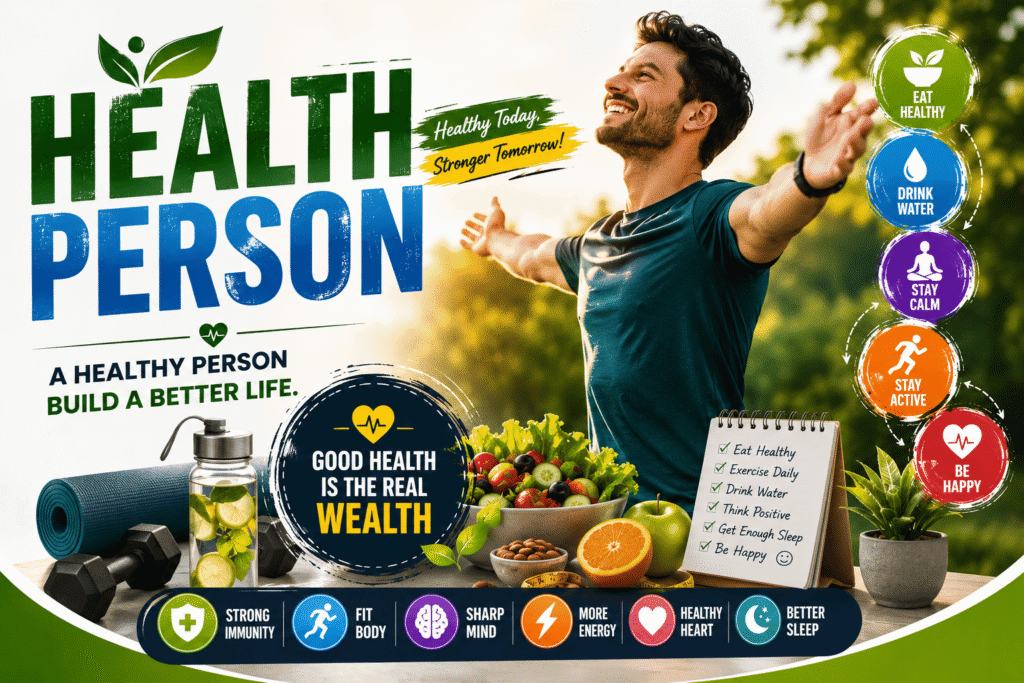
A healthy personal lifestyle is one of the most valuable investments a person can make. Good health is not simply the absence of disease; it is a combination of physical fitness, mental well-being, emotional balance, healthy relationships, and positive daily habits. In today’s busy world, people often focus on work, studies, responsibilities, and technology while forgetting to take care of themselves. Over time, unhealthy habits can affect both the body and the mind. Developing a healthy personal lifestyle can help individuals feel more energetic, confident, productive, and satisfied with life.
Understanding a Healthy Personal Lifestyle
A healthy lifestyle means making everyday choices that support overall well-being. These choices include eating nutritious food, exercising regularly, getting enough sleep, managing stress, maintaining personal hygiene, avoiding harmful substances, and developing positive relationships.

Being healthy does not mean following a strict diet or exercising for several hours every day. Instead, it is about creating sustainable habits that can become a natural part of everyday life. Small improvements, such as drinking more water, walking regularly, eating more vegetables, or going to bed at a consistent time, can make a significant difference over time.
The Importance of Healthy Eating
Food provides the energy and nutrients the body needs to function properly. A balanced diet should include a variety of foods, including fruits, vegetables, whole grains, protein-rich foods, and healthy fats.
Fruits and vegetables provide important vitamins, minerals, fiber, and other nutrients. Whole grains can provide sustained energy, while protein supports muscles and other body tissues. Healthy fats, found in foods such as nuts, seeds, fish, and some plant oils, are also an important part of a balanced diet.
It is also helpful to limit excessive amounts of highly processed foods, added sugars, and foods high in unhealthy fats or sodium. However, healthy eating does not require completely avoiding favorite foods. A balanced approach allows people to enjoy food while paying attention to overall nutritional quality and portion sizes.
Drinking enough water is another important part of healthy living. Water helps the body perform many essential functions. Choosing water more often instead of sugary drinks can be a simple way to improve daily habits.
Staying Physically Active
Regular physical activity is essential for maintaining a healthy body. Exercise can strengthen muscles and bones, improve cardiovascular fitness, support healthy body weight, and increase energy. Physical activity can also benefit mental health by helping people manage stress and improve their mood.

Adults can choose activities that fit their interests and lifestyles. Walking, cycling, swimming, dancing, running, sports, strength training, and recreational activities can all contribute to an active lifestyle. People who have been inactive should start gradually rather than attempting an intense exercise routine immediately.
Movement throughout the day also matters. Taking short walks, stretching during breaks, using stairs when practical, or spending less time sitting can help people become more active without requiring a complicated workout plan.
The most effective exercise routine is usually one that a person enjoys and can maintain consistently.
Getting Enough Quality Sleep
Sleep is sometimes treated as less important than work or entertainment, but it plays a major role in physical and mental health. During sleep, the body and brain carry out important processes that support recovery, memory, concentration, and emotional regulation.
A consistent sleep schedule can help establish healthy sleep habits. Creating a relaxing bedtime routine, keeping the sleeping environment comfortable, and reducing unnecessary screen use before bed may also support better sleep.
People should pay attention to persistent sleep problems. Regular difficulty sleeping, extreme daytime tiredness, or other ongoing concerns may require professional advice.
Protecting Mental and Emotional Health
Physical health is only one part of personal well-being. Mental and emotional health are equally important. Everyone experiences stress, disappointment, anxiety, frustration, or sadness at different times. Learning healthy ways to respond to these emotions can make life more manageable.
One useful strategy is to recognize emotions rather than ignoring them. Talking with a trusted friend, family member, counselor, or other qualified professional can provide support during difficult periods. Relaxation techniques, breathing exercises, hobbies, journaling, time in nature, and physical activity can also help some people manage everyday stress.
It is important to remember that asking for help is not a sign of weakness. Mental health deserves the same attention and care as physical health.
Building Healthy Relationships

Human beings need social connection. Positive relationships with family members, friends, colleagues, and communities can provide emotional support and a sense of belonging.
Healthy relationships are generally based on respect, honesty, trust, communication, and appropriate boundaries. People should be able to express their thoughts and feelings while also listening to others.
Spending meaningful time with loved ones can be more valuable than simply communicating through social media. Sharing a meal, taking a walk, having a conversation, or participating in an activity together can strengthen relationships.
At the same time, healthy personal living includes recognizing relationships that consistently cause serious emotional harm. Establishing boundaries and seeking appropriate support can be important when relationships become unhealthy.
Maintaining Personal Hygiene
Personal hygiene is another essential part of a healthy lifestyle. Regular bathing, brushing and flossing teeth, washing hands, wearing clean clothes, and maintaining general cleanliness can help reduce the spread of infections and support confidence and comfort.
Oral health deserves particular attention. Regular brushing, flossing, and dental checkups can help protect teeth and gums. Personal hygiene should not be viewed only as a social expectation; it is an important aspect of caring for the body.
Avoiding Harmful Habits
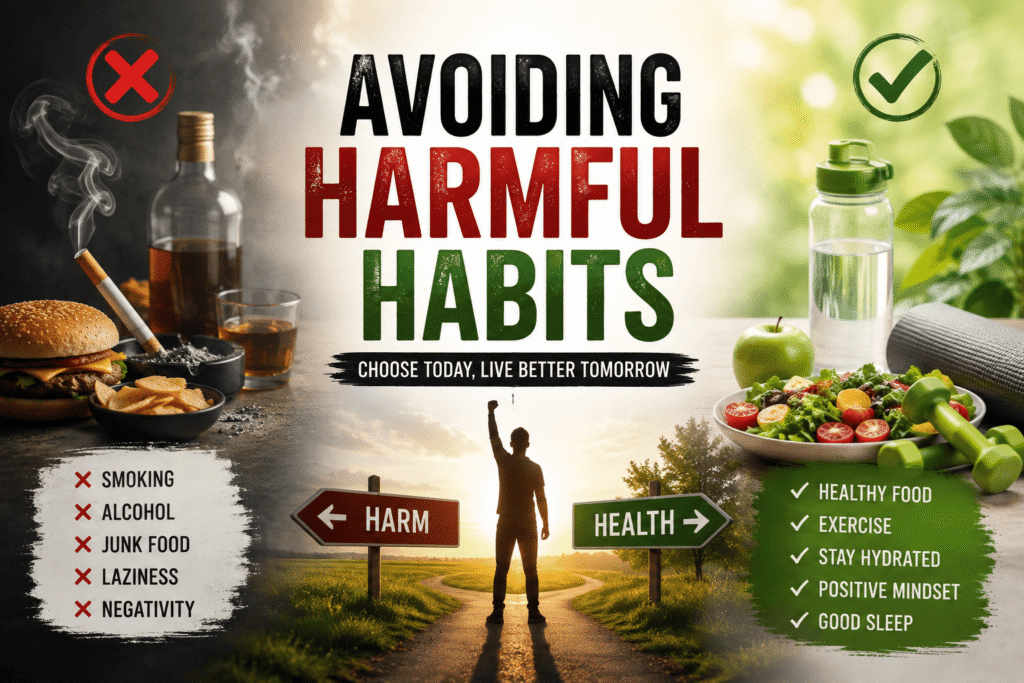
Some habits can seriously affect long-term health. Smoking, excessive alcohol consumption, misuse of drugs, and other harmful behaviors can increase health risks and interfere with physical and emotional well-being.
Avoiding tobacco and other harmful substances is an important step toward a healthier lifestyle. People who are struggling with dependence should not feel ashamed to seek professional assistance. Support and appropriate treatment can make it easier to change harmful behaviors.
Healthy living is not about being perfect. Everyone can make mistakes or experience setbacks. What matters is recognizing unhealthy patterns and taking steps toward improvement.
Managing Stress Effectively
Stress is a normal part of life, but excessive or long-lasting stress can affect both mental and physical well-being. Work, financial concerns, academic responsibilities, family problems, and social pressures can all contribute to stress.
Good time management can reduce unnecessary pressure. Creating realistic priorities, breaking large tasks into smaller steps, taking regular breaks, and learning to say no to unreasonable demands can help people maintain balance.
Relaxation is also important. Reading, listening to music, exercising, spending time outdoors, practicing mindfulness, or enjoying a hobby can provide opportunities to recover from daily demands.
Developing a Positive Relationship With Yourself
Personal health also involves the way people treat themselves. Constant comparison with others can damage confidence and create unrealistic expectations. Social media can sometimes make this problem worse by presenting carefully selected images of other people’s lives.
A healthier approach is to recognize individual strengths, accept imperfections, and focus on personal progress. Self-care does not mean being selfish. Taking time to rest, reflect, and care for personal needs can help people become more capable of supporting their responsibilities and relationships.
Setting realistic goals can also improve motivation. Instead of attempting to change everything at once, a person might begin with one or two achievable habits. Success with small goals can create confidence and encourage further improvement.
Creating a Sustainable Healthy Routine
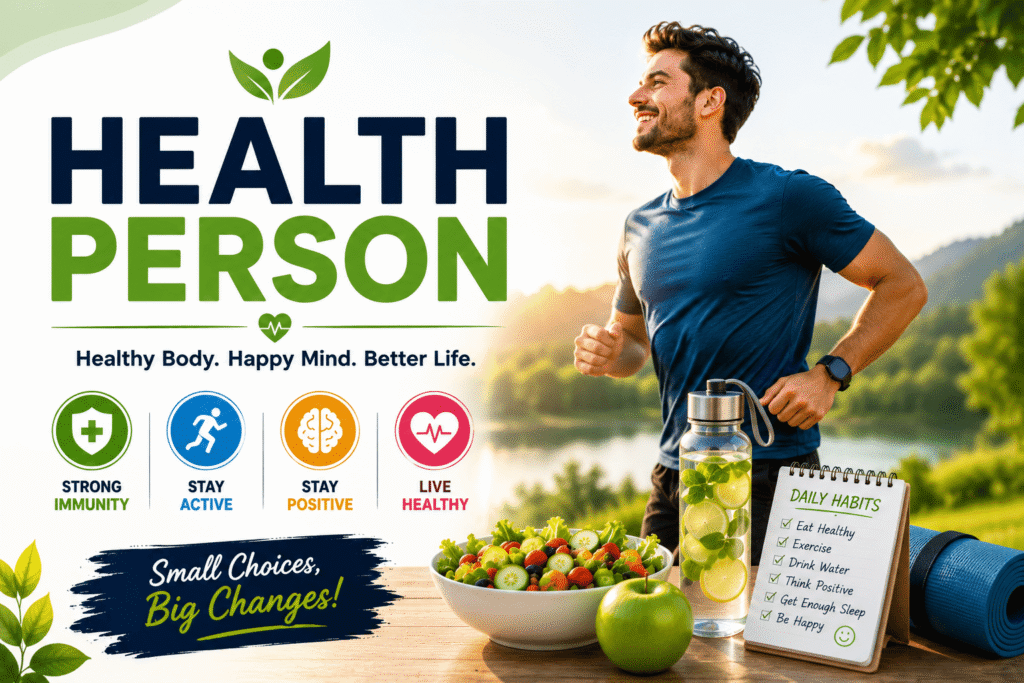
A healthy lifestyle becomes easier when healthy behaviors are incorporated into a regular routine. For example, a person might begin the day with a nutritious breakfast, drink water throughout the day, take a walk, eat balanced meals, complete important tasks, spend time with family or friends, and maintain a consistent bedtime.
The goal should not be perfection. There will be busy days, celebrations, holidays, illnesses, and unexpected events. A sustainable lifestyle allows flexibility while maintaining generally healthy habits.
Keeping track of progress can also be helpful. Writing down goals, recording physical activity, preparing meals in advance, or establishing reminders can make healthy behaviors easier to maintain.
Conclusion
A healthy personal lifestyle is built through everyday choices rather than a single dramatic change. Eating nutritious foods, staying physically active, sleeping well, maintaining hygiene, protecting mental health, managing stress, developing supportive relationships, and avoiding harmful habits can all contribute to a better quality of life.
The most important principle is consistency. Small positive actions repeated over time can become powerful habits. Health should not be viewed as a temporary project but as a lifelong responsibility and opportunity.
By taking care of the body, mind, emotions, and relationships, individuals can create a more balanced and fulfilling life. A healthy person is better prepared to learn, work, connect with others, overcome challenges, and enjoy everyday experiences. Ultimately, personal health is one of the foundations of a happy and productive life.