
Health wellness is about more than simply avoiding illness. It means taking care of your body, mind, emotions, relationships, and daily lifestyle so you can enjoy a healthier and more balanced life. Small choices made every day can have a meaningful impact on how you feel and function.
A healthy lifestyle does not require extreme diets or complicated routines. Instead, health wellness can begin with simple habits such as eating nutritious foods, staying physically active, getting enough sleep, managing stress, drinking enough water, and making time for yourself.
What Is Health Wellness?
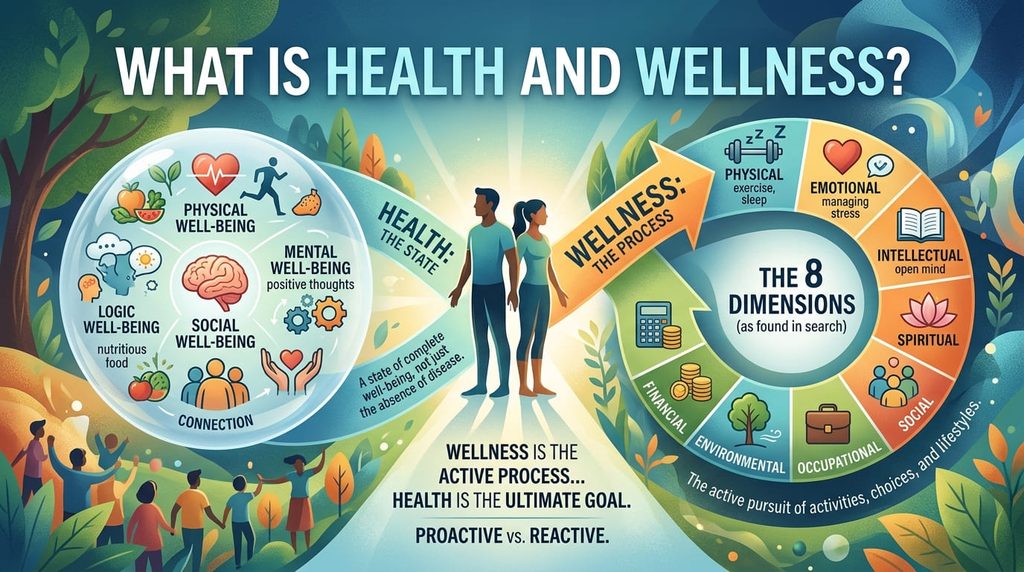
Health wellness is a complete approach to well-being. It includes physical health as well as mental and emotional wellness. When these areas are balanced, you may have more energy, better concentration, improved mood, and greater confidence in your everyday life.
Wellness can look different for everyone. One person may focus on exercise, while another may need to improve sleep, nutrition, or stress management. The goal is to create sustainable habits that fit naturally into your lifestyle.
Why Is Health Wellness Important?
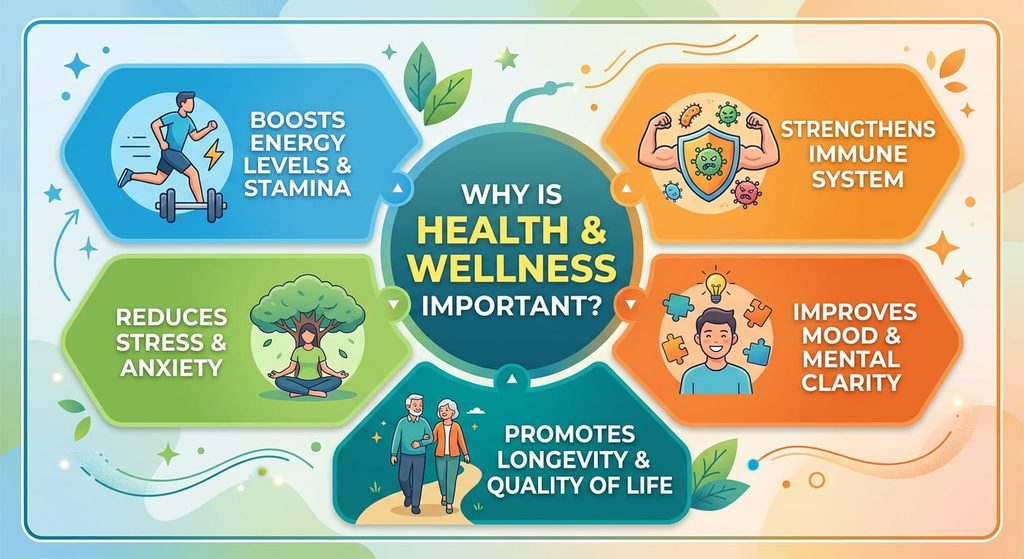
Maintaining good health and wellness can support your quality of life. Healthy habits may help you feel more energetic and better prepared to handle everyday responsibilities.
Health wellness is important because it encourages you to:
- Take better care of your physical health
- Support your mental and emotional well-being
- Build healthy daily routines
- Manage everyday stress
- Improve sleep quality
- Make better nutrition choices
- Stay physically active
- Spend more quality time with family and friends
The key is consistency. You do not have to change everything at once. Even one small improvement can become the foundation for a healthier routine.
Health & wellness products?
Shop premium health and wellness products designed to boost your energy, balance your routine, and support your daily vitality naturally.
Health and wellness difference?
Health is your current state of physical, mental, and social well-being (the destination), while Wellness is the active daily choices you make to achieve it (the journey).
| Feature | Health | Wellness |
| Definition | The state of being (free from illness or injury) | The active process of living a healthy lifestyle |
| Focus | Medical conditions, genetics, physical status | Daily habits, mindset, diet, exercise, stress reduction |
| Control | Partially out of your control (genetics, disease) | Entirely within your active daily control |
Quick takeaway: Health is what you have; wellness is what you do.
What is the definition of health wellness?
Health and wellness is the combination of your overall state of well-being (health) and the daily habits you practice to maintain it (wellness).
- Health: Your physical, mental, and social condition.
- Wellness: Your active choices to improve and sustain that condition.
In short: Health is the result; wellness is the action.
10 Health & Wellness Places in the USA
People across the United States can find wellness centers, fitness facilities, retreats, and other services designed to support healthy lifestyles. Here are 10 examples that can be included when exploring health wellness options in the USA.
| # | Health & Wellness Place | Location |
|---|---|---|
| 1 | Falls Church Wellness Center | Falls Church, Virginia |
| 2 | Island Wellness Center | Middletown, Rhode Island |
| 3 | Valley Health Wellness & Fitness Center | Winchester, Virginia |
| 4 | Wellness Village NH | Manchester, New Hampshire |
| 5 | Eupepsia Wellness Resort | Bland, Virginia |
| 6 | Wellness Center | Worcester, Massachusetts |
| 7 | A Village Wellness Center | Silver Spring, Maryland |
| 8 | EarthMind Wellness Center | Ellenville, New York |
| 9 | Vail Valley Wellness | Avon, Colorado |
| 10 | DC Health and Wellness Center | Washington, DC |
Before visiting any wellness facility, check its current services, hours, qualifications, pricing, and whether the services match your personal needs.
Eat a Balanced Diet
Nutrition is one of the most important parts of health wellness. Your body needs a variety of nutrients to produce energy and support normal body functions.
Try to include a mixture of:
- Fruits and vegetables
- Whole grains
- Protein-rich foods
- Healthy fats
- Dairy or suitable alternatives
- Plenty of water
Instead of focusing on eliminating every food you enjoy, aim for balance and moderation. Preparing meals at home can also make it easier to control ingredients and portion sizes.
Stay Physically Active
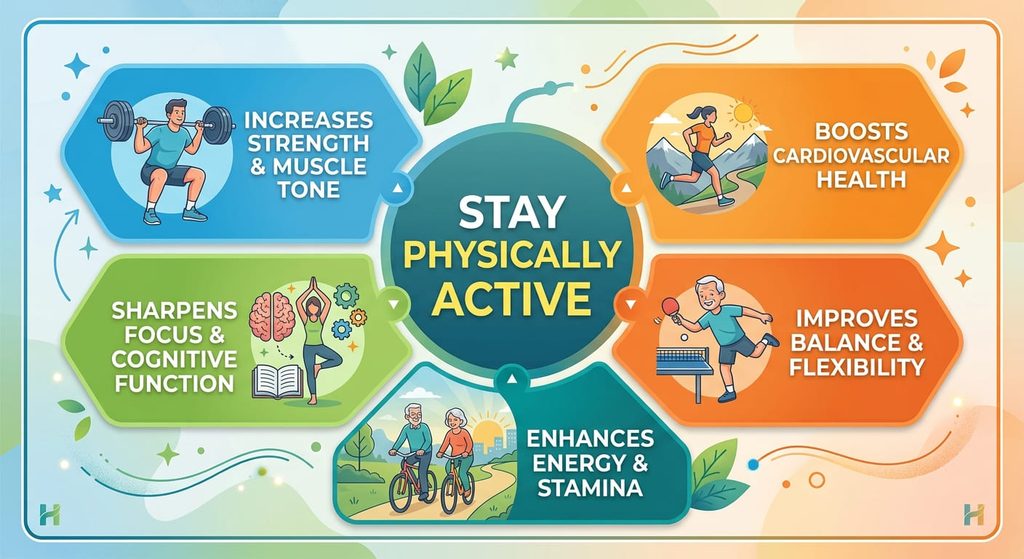
Regular physical activity is another important part of wellness. You do not necessarily need an expensive gym membership to stay active.
Simple activities can include:
- Walking
- Cycling
- Swimming
- Dancing
- Stretching
- Strength exercises
- Recreational sports
Choose activities that you enjoy because enjoyable exercise is easier to maintain over time. If you have been inactive, start gradually and increase your activity as you become comfortable.
Make Sleep a Priority
Sleep plays an important role in overall wellness. Adults generally need a consistent amount of quality sleep, although individual needs can vary.
A relaxing bedtime routine may help you prepare for sleep. Try to go to bed and wake up around the same time each day. Keeping your bedroom comfortable, limiting distractions, and avoiding excessive screen use before bedtime may also support better sleep habits.
Good sleep can help you feel more refreshed and ready for the day.
Manage Everyday Stress
Stress is a normal part of life, but ongoing stress can affect your overall well-being. Learning healthy ways to manage it is an important part of health wellness.
Some simple strategies include:
- Taking a short walk
- Practicing deep breathing
- Listening to relaxing music
- Spending time outdoors
- Writing in a journal
- Talking with someone you trust
- Taking regular breaks
- Practicing mindfulness
You do not need to eliminate every source of stress. Instead, focus on developing healthy ways to respond to challenging situations.
Take Care of Your Mental Wellness
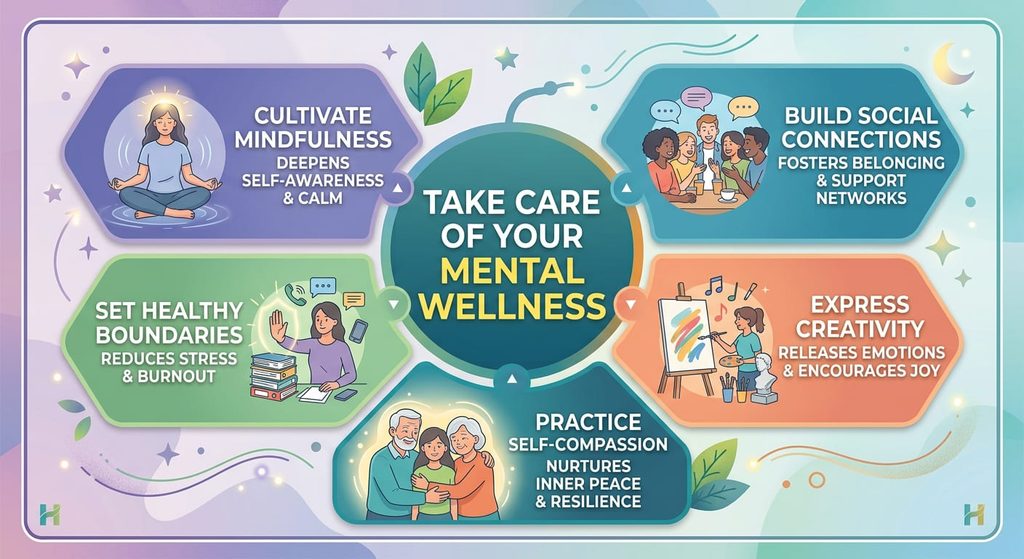
Mental wellness deserves the same attention as physical health. Making time for activities that bring you happiness can support a more balanced lifestyle.
Stay connected with people who make you feel supported. Make time for hobbies and activities that you enjoy. If you are experiencing persistent emotional difficulties, consider talking with a qualified mental health professional.
Asking for support is not a weakness. It can be an important step toward better overall wellness.
Drink Enough Water
Hydration is another simple part of a healthy lifestyle. Water helps your body perform many essential functions.
Keep water available throughout the day and drink regularly. Your fluid needs can vary depending on factors such as physical activity, climate, age, and overall health.
If you find plain water boring, adding slices of lemon, lime, cucumber, or fruit can provide variety without making hydration complicated.
Build Healthy Relationships

Wellness is not only about food and exercise. Social connections can also contribute to a fulfilling life.
Spending meaningful time with family, friends, coworkers, or community groups can help reduce feelings of isolation and provide emotional support.
Try to create regular opportunities for connection. A simple conversation, shared meal, walk, or activity can strengthen relationships.
Spend More Time Outdoors
Spending time outdoors can be an enjoyable way to combine movement and relaxation. Walking in a park, hiking, gardening, or simply sitting outside can provide a break from a busy indoor routine.
Outdoor activities can also make physical activity feel less like a chore. Choose a safe environment and consider weather conditions when planning outdoor activities.
What are the 5 components of health and wellness?
Physical: Caring for your body through exercise, nutrition, sleep, and medical care.
Emotional: Understanding, expressing, and managing your feelings and stress effectively.
Social: Building healthy relationships and maintaining a supportive community network.
Intellectual: Engaging your mind through continuous learning, problem-solving, and creativity.
Spiritual: Finding purpose, direction, and personal values that guide your life actions.
What are the 7 basic principles of wellness?
The 7 basic dimensions (or principles) of wellness are:
- Physical: Keeping your body healthy through exercise, nutrition, and sleep.
- Emotional: Managing stress, feelings, and mental health effectively.
- Social: Building strong, positive relationships with others.
- Intellectual: Stimulating your brain through learning and curiosity.
- Spiritual: Finding inner peace, values, and a sense of purpose.
- Occupational: Balancing personal life with a satisfying career.
- Environmental: Living in harmony with your surrounding environment.
what are the 8 pillars of wellness?
Physical: Caring for your body through exercise, nutrition, and rest.
Emotional: Managing feelings, stress, and mental health.
Social: Maintaining healthy relationships and a support network.
Intellectual: Engaging your mind in continuous learning and problem-solving.
Spiritual: Finding purpose, meaning, and personal values.
Occupational: Finding fulfillment and balance in your work or career.
Environmental: Respecting and thriving in your physical surroundings.
Financial: Managing money effectively to reduce stress and build security.
Create a Sustainable Wellness Routine
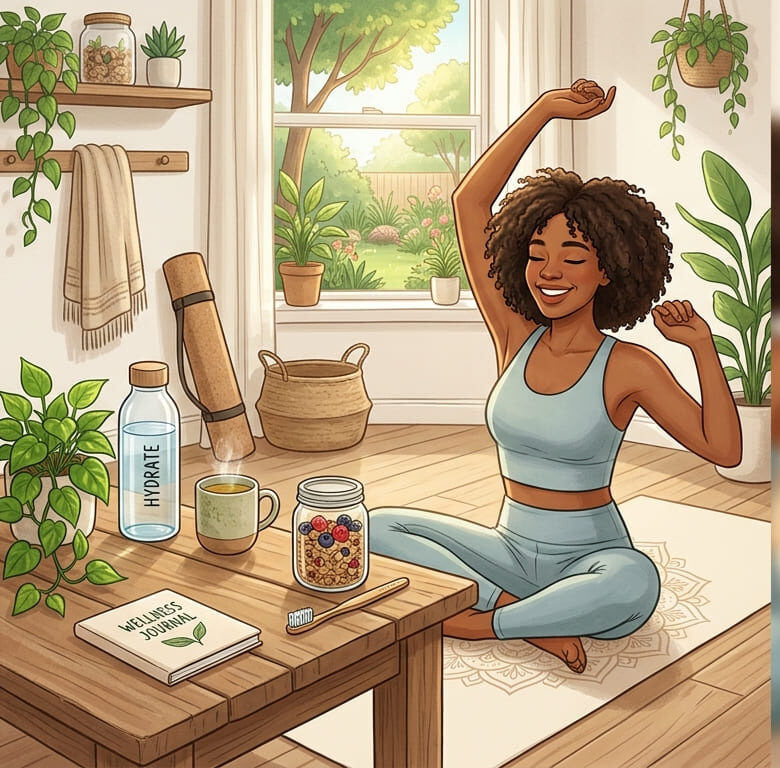
One of the biggest mistakes people make is trying to change everything overnight. A better approach is to introduce small habits gradually.
For example, you could begin by:
Week 1: Drink more water.
Week 2: Add a daily walk.
Week 3: Improve your breakfast choices.
Week 4: Establish a consistent bedtime.
Once a habit becomes comfortable, add another. This gradual approach can make healthy changes feel more manageable.
Health Wellness at Different Ages
Wellness needs can change throughout life. Children and teenagers may need nutritious food, regular physical activity, adequate sleep, and emotional support. Adults may focus on balancing work, family, exercise, nutrition, and stress.
Older adults may place greater emphasis on maintaining mobility, strength, social connections, balanced nutrition, and regular health care.
Regardless of age, the most important goal is to develop habits that support your individual needs and circumstances.
Avoid Unhealthy Habits

Health wellness also involves recognizing habits that may negatively affect your well-being. Excessive alcohol consumption, smoking, poor sleep routines, prolonged inactivity, and consistently poor nutrition can interfere with a healthy lifestyle.
Rather than trying to make every change immediately, identify one habit that you would like to improve. Set a realistic goal and work on it consistently.
When to Seek Professional Guidance
Healthy lifestyle habits are valuable, but they do not replace professional medical care. If you have ongoing symptoms, concerns about your health, or specific nutritional or exercise needs, speak with an appropriate qualified healthcare professional.
A professional can provide advice based on your individual situation rather than relying on general wellness information.
Final Thoughts
Health wellness is a lifelong journey rather than a short-term challenge. You do not need a perfect diet, an intense exercise program, or a complicated schedule to start living healthier.
Focus on small, realistic improvements. Eat a balanced diet, stay active, sleep well, drink enough water, manage stress, nurture relationships, and make time for activities that support your happiness.
The most effective wellness routine is one that you can maintain. Start with one simple habit today and gradually build a healthier, happier lifestyle.