
Yoga is more than a form of exercise. It is a practice that combines physical postures, breathing techniques, relaxation, and mindfulness to support overall well-being. Today, people of all ages practice yoga to improve flexibility, strength, balance, stress management, and mental wellness.
Yoga for a Healthier Life
Yoga for a Healthier Life is a simple and effective way to support your physical and mental well-being. Regular yoga practice can improve flexibility, balance, strength, and body awareness while also helping you relax and manage everyday stress.
Yoga includes gentle stretches, breathing exercises, and different poses that can be adapted to your fitness level. Beginners can start with simple poses and gradually build strength and confidence. Practicing yoga regularly may also encourage better posture, improve mobility, and create a greater sense of calm.
A healthy life is not only about exercise; it also involves getting enough rest, eating nutritious foods, staying active, and taking care of your mental well-being. Adding yoga to your daily routine can be a practical step toward achieving these goals.
For the best results, try to practice consistently, even if you only have a few minutes each day. Choose a comfortable space, use a supportive yoga mat, and focus on controlled breathing.
By making yoga part of your routine, you can take a positive step toward a healthy life and enjoy greater balance, relaxation, and overall wellness.
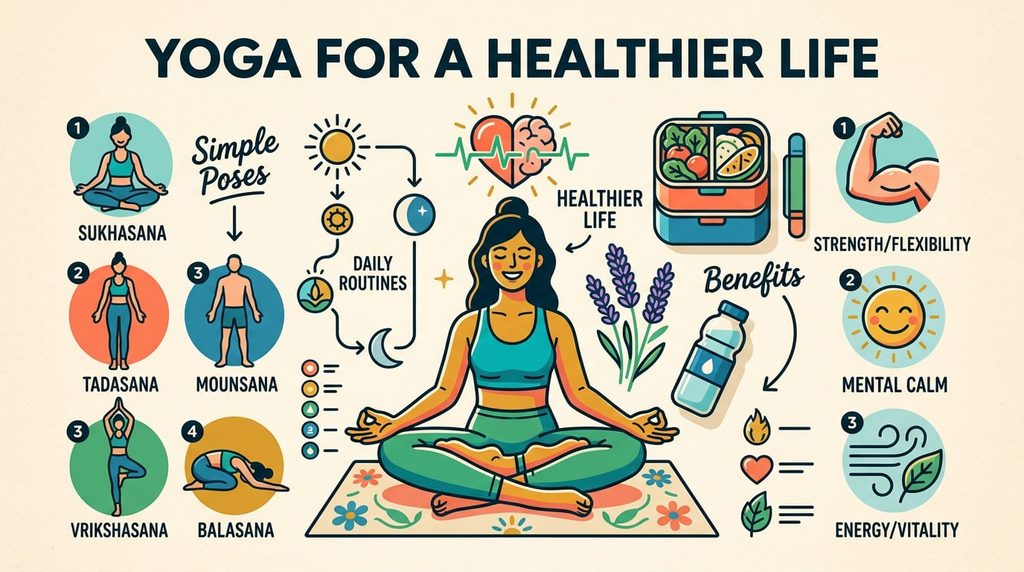
Whether you are completely new to yoga or already enjoy practicing it regularly, adding a few simple poses to your daily routine can be an excellent way to become more active and create healthier habits.
Research from the National Center for Complementary and Integrative Health (NCCIH) suggests that yoga may support general wellness, including stress management, sleep, balance, and mental and emotional health.
What Is Yoga?
Yoga is an ancient mind-and-body practice that originated in India. Modern yoga commonly combines physical poses, breathing exercises, and meditation. Different styles can range from gentle and relaxing sessions to physically demanding practices.

For beginners, yoga does not have to be complicated. You can start with simple movements, focus on your breathing, and gradually build your flexibility and strength.
One of the reasons yoga has become popular in the United States is its flexibility as an activity. People can practice it at home, in a gym, at a studio, outdoors, or as part of a wellness retreat.
Benefits of Yoga
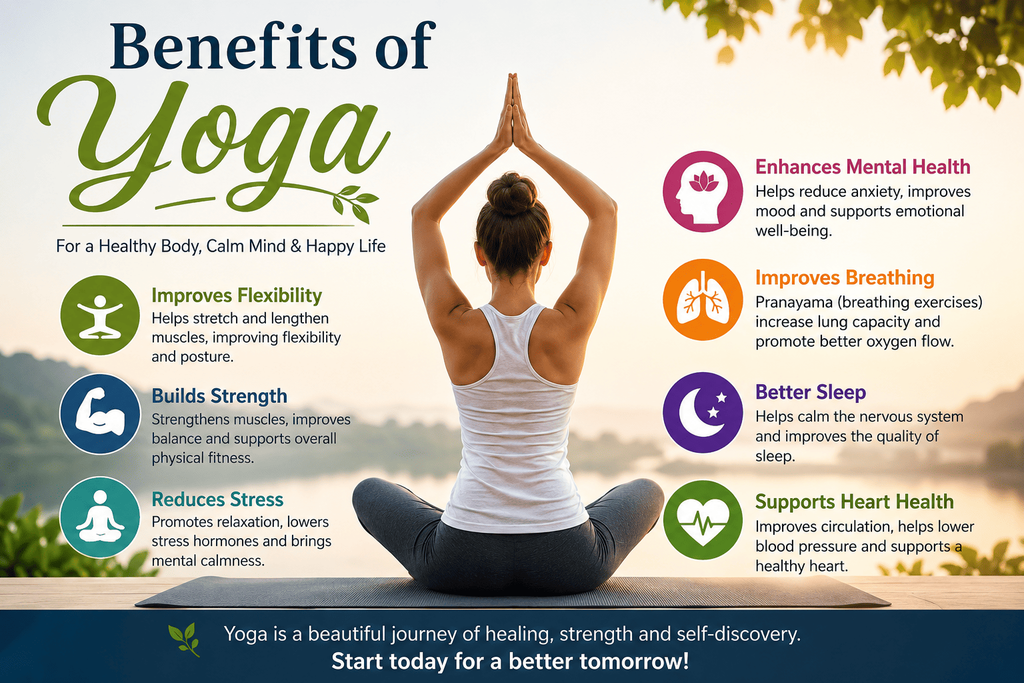
Regular yoga practice may provide several physical and mental benefits. The results can vary depending on the style of yoga, the person’s health, and how frequently they practice.
1. Supports Flexibility
Many yoga poses involve stretching different muscle groups. With consistent practice, yoga may help improve flexibility and range of motion.
Improved flexibility can make everyday movements more comfortable and can complement other forms of exercise.
2. Helps Build Strength
Yoga is not only about stretching. Many poses require you to support your body weight, which can challenge the muscles in your arms, legs, abdomen, and back.
Stronger muscles can help support everyday activities and improve physical fitness.
3. Improves Balance
Balance becomes increasingly important as people get older. Yoga includes standing and controlled poses that can challenge balance and body awareness.
Research reviewed by NCCIH has found evidence that yoga can improve certain measures of balance.
4. May Help Manage Stress
One of the most popular reasons people practice yoga is relaxation. Slow movements, controlled breathing, and mindfulness can create a calming routine.
Research suggests yoga may help with stress management and may support mental and emotional well-being.
5. May Support Better Sleep
A relaxing yoga routine may be useful as part of a healthy bedtime routine. Research has found potential improvements in sleep quality among some groups, although yoga should not be considered a guaranteed treatment for insomnia.
6. Supports Healthy Lifestyle Habits
Yoga can encourage people to pay more attention to movement, breathing, relaxation, and daily habits. Some research has associated regular yoga practice with healthier eating and physical-activity habits, although these studies do not prove that yoga itself causes those changes.
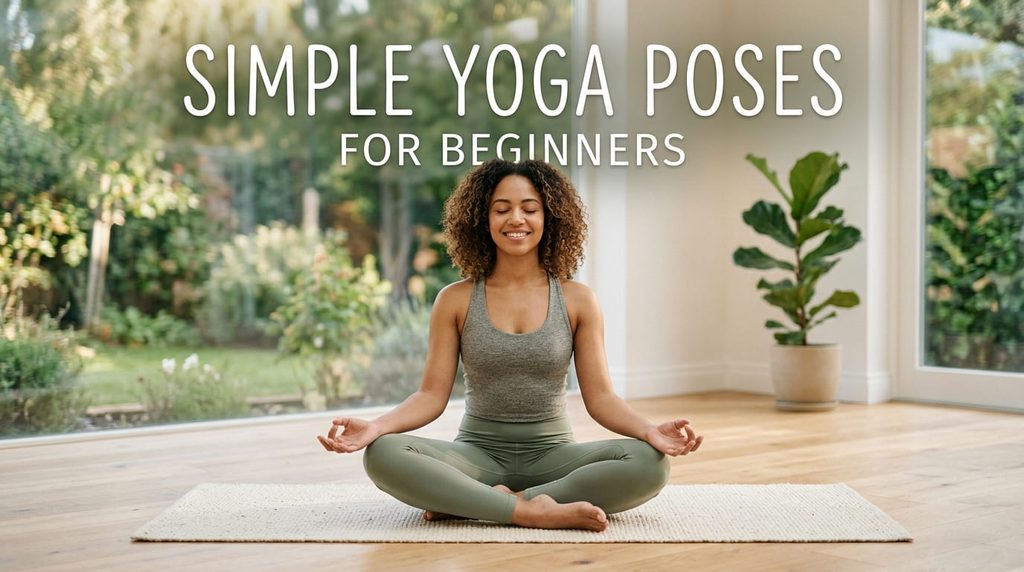
Simple Yoga Poses for Beginners
If you are new to yoga, start slowly. You do not need to perform difficult poses to benefit from a regular practice.
Mountain Pose
Mountain Pose is a simple standing position that can help you focus on posture and body awareness.
Stand comfortably with your feet grounded. Keep your shoulders relaxed and take slow, steady breaths.
Child’s Pose
Child’s Pose is commonly used as a gentle resting position.
Kneel on a comfortable surface and slowly lower your upper body forward. Keep your breathing relaxed and stop if you experience pain.
Cat-Cow Stretch
Cat-Cow is a gentle movement that involves alternating between two positions while on your hands and knees.
Move slowly and coordinate your movement with your breathing. This can be a useful addition to a warm-up routine.
Downward-Facing Dog
Downward-Facing Dog is a well-known yoga position that works several areas of the body.
Beginners should focus on comfortable positioning rather than trying to straighten their legs completely.
Tree Pose
Tree Pose challenges balance and concentration.
Stand upright, shift your weight onto one leg, and place the other foot in a comfortable position against the standing leg. Use a wall or chair for support if necessary.
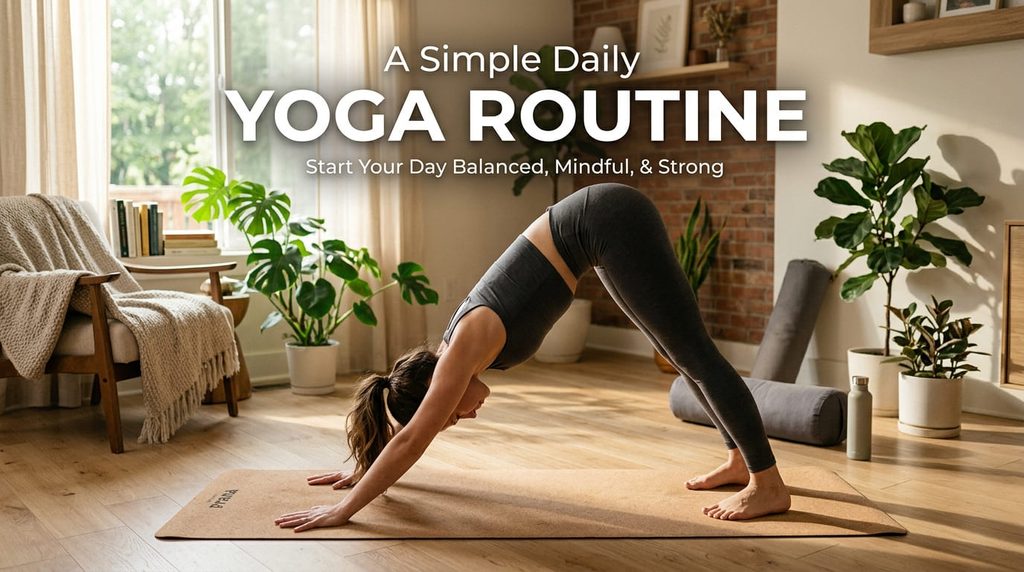
A Simple Daily Yoga Routine
You do not need an hour-long session to begin building a yoga habit. A short routine can be easier to maintain consistently.
Morning Routine
Start your morning with five to ten minutes of gentle yoga.
You can include:
- Mountain Pose
- Cat-Cow Stretch
- Gentle forward stretch
- Tree Pose
- Slow breathing
This can help you begin the day with movement and mindfulness.
Afternoon Routine
If you spend many hours sitting, take a short movement break.
Try gentle stretches for your neck, shoulders, back, and legs. Even a few minutes away from your desk can help break up long periods of sitting.
Evening Routine
Evening yoga can focus on relaxation rather than intense movement.
Try gentle poses followed by several minutes of slow breathing or meditation. A calm routine may help prepare your mind and body for bedtime.
Best Places for Yoga in the USA
The United States offers many beautiful environments for practicing yoga. You can find yoga studios in large cities as well as outdoor classes, wellness centers, and retreats in peaceful natural settings.
Here are 10 places that can be considered when looking for yoga experiences in the USA:
| # | Place | State | Why It Can Be Great for Yoga |
|---|---|---|---|
| 1 | Santa Barbara | California | Beach surroundings and wellness activities |
| 2 | San Diego | California | Outdoor spaces, beaches, and yoga studios |
| 3 | Sedona | Arizona | Peaceful scenery and wellness-focused experiences |
| 4 | Boulder | Colorado | Mountain surroundings and active lifestyle |
| 5 | Asheville | North Carolina | Nature, relaxation, and wellness culture |
| 6 | New York City | New York | Many yoga studios and class options |
| 7 | Rhinebeck | New York | Quiet setting suitable for wellness retreats |
| 8 | Oahu | Hawaii | Tropical scenery and outdoor yoga opportunities |
| 9 | Island Falls | Maine | Peaceful natural surroundings |
| 10 | Helena | Montana | Mountain scenery and outdoor wellness experiences |
These destinations offer different types of environments, so your ideal choice depends on what you want from your yoga experience. Someone who enjoys beaches may prefer a coastal destination, while someone looking for quiet and nature may enjoy a mountain or countryside setting.
How Often Should You Practice Yoga?
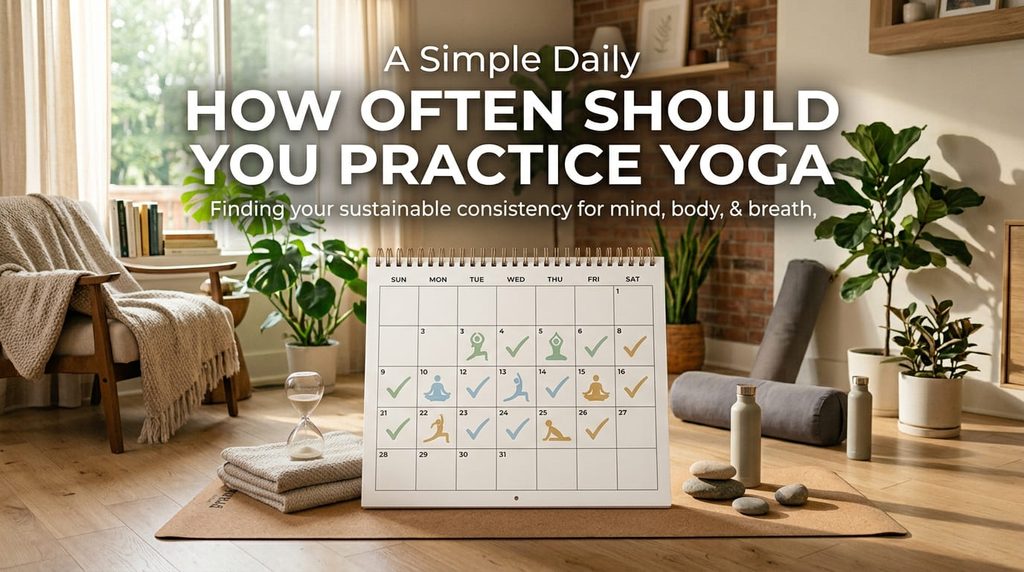
There is no single schedule that works for everyone. The best routine is one you can maintain comfortably.
A beginner might start with 10 to 15 minutes several times a week. As you become more comfortable, you can gradually increase the duration or frequency.
Remember that yoga is only one part of an active lifestyle. The Physical Activity Guidelines for Americans recommend that adults generally aim for 150 to 300 minutes of moderate-intensity aerobic physical activity each week. More vigorous forms of yoga may contribute to physical activity, while gentler forms can complement walking, strength training, or other exercises.
Yoga for Different Fitness Levels
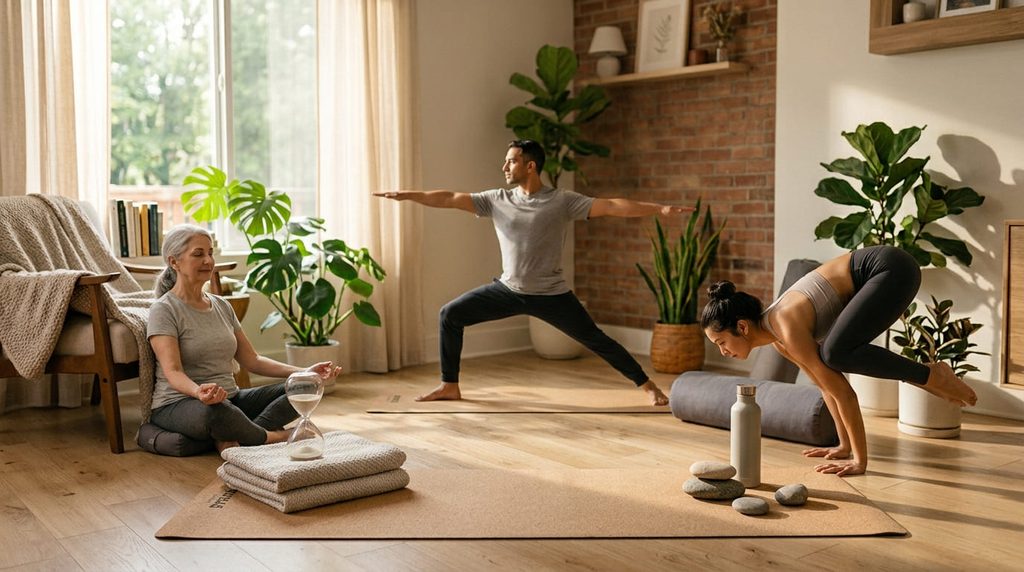
Beginners
Beginners should choose simple poses and focus on learning proper technique. A qualified instructor can help you understand positioning and modifications.
Intermediate Practitioners
People with more experience can gradually explore longer sessions, additional poses, and different yoga styles.
Older Adults
Older adults may benefit from gentle yoga focused on balance, flexibility, mobility, and controlled movements. Using a chair or wall for support can make certain exercises more accessible.
Active People
Yoga can complement other workouts by adding stretching, balance, mobility, and relaxation to an exercise routine.
How to Make Yoga a Daily Habit
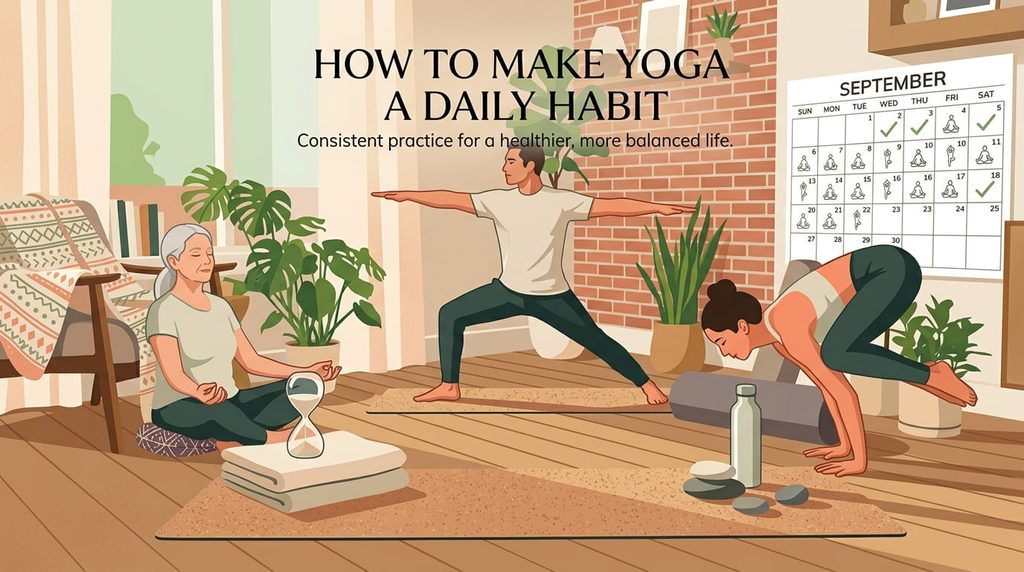
Creating a consistent routine is often more important than trying to do an extremely difficult workout.
Choose a specific time of day for your practice. Keep your yoga mat somewhere easy to access, start with realistic goals, and increase your practice gradually.
You can also use simple reminders or follow a beginner-friendly yoga class. The goal is to make yoga a regular part of your lifestyle rather than something you do only occasionally.
Yoga Safety Tips
Yoga is generally considered safe for healthy people when practiced appropriately, but injuries can happen, just as they can with other physical activities. NCCIH recommends learning under the guidance of a qualified instructor, particularly when you are new to yoga.
Avoid forcing your body into a position. Stretching should not cause sharp or severe pain. If something feels uncomfortable, stop or modify the pose.
People who are pregnant, older adults, or individuals with existing health conditions or injuries may need modifications. It is a good idea to discuss your individual needs with a healthcare professional and a qualified yoga instructor.
Final Thoughts
Yoga can be a simple and enjoyable way to add movement, stretching, balance, breathing, and relaxation to your daily life. You do not need expensive equipment or advanced skills to begin. A comfortable space, a yoga mat, and a few minutes of consistent practice can be enough to get started.
From simple beginner poses to peaceful outdoor sessions, yoga can fit into many different lifestyles. Whether your goal is better flexibility, improved balance, stress management, or simply creating a healthier daily routine, yoga can be a useful addition to an overall active lifestyle.
Start slowly, listen to your body, and focus on consistency. Over time, a simple yoga routine can become a positive part of your everyday wellness habits.