
Pollen sensitivity is a common seasonal problem that affects millions of people. Pollen comes from trees, grasses, and weeds and can travel through the air, especially during warmer months. When a person with a pollen allergy breathes in these tiny particles, the immune system may react as if they are harmful. This reaction can lead to uncomfortable symptoms involving the nose, eyes, throat, and sometimes the lungs.
Understanding pollen sensitivity symptoms can help you recognize an allergy early and take steps to reduce exposure. Common symptoms include sneezing, a runny or blocked nose, itchy eyes, watery eyes, and an itchy throat. Pollen can also worsen asthma symptoms in people who are sensitive to it.
What Is Pollen Sensitivity?

Pollen sensitivity occurs when the immune system reacts strongly to pollen released by plants. Trees, grasses, and weeds can all produce pollen. The amount of pollen in the air changes according to the season, weather, location, and type of plant.
Seasonal allergic rhinitis, often called hay fever, is one of the most common conditions associated with pollen exposure. Symptoms may occur during particular seasons or, in some areas, for much of the year. The CDC notes that pollen seasons and pollen concentrations can be affected by changing temperatures and weather patterns.
Common Pollen Sensitivity Symptoms
The symptoms of pollen sensitivity can range from mild to uncomfortable. Some people experience only a few symptoms, while others may experience several at the same time.
1. Frequent Sneezing
Sneezing is one of the most recognizable pollen sensitivity symptoms. You may experience repeated sneezing after spending time outdoors, particularly when pollen levels are high.
2. Runny Nose
A runny nose can occur when the nasal passages react to pollen. Clear, watery nasal discharge is common with allergic rhinitis.
3. Stuffy or Congested Nose
Pollen can cause inflammation inside the nose, making it difficult to breathe comfortably through the nostrils. Nasal congestion may become worse when pollen exposure continues.
4. Itchy Nose and Throat
An itchy nose, throat, or roof of the mouth is another common sign. Some people may repeatedly rub or touch their nose because of irritation.
5. Watery or Itchy Eyes
Pollen can affect the eyes and cause allergic conjunctivitis. Symptoms may include red, watery, burning, or itchy eyes.
6. Red Eyes
When pollen irritates the surface of the eyes, they may become red and uncomfortable. Eye symptoms may become worse after spending time outdoors.
7. Coughing
Some people may develop coughing after exposure to pollen. Coughing can be particularly important to monitor if the person also has asthma.
8. Postnasal Drip
Extra mucus from the nose can move down the back of the throat. This may create a feeling of mucus in the throat and can contribute to coughing or throat irritation.
9. Fatigue
Allergies can make people feel tired, especially when symptoms interfere with sleep. Nasal congestion, coughing, and persistent itching can make it harder to get comfortable at night.
10. Asthma Symptoms
For some people with asthma, pollen can act as a trigger. Exposure may contribute to coughing, wheezing, chest tightness, or difficulty breathing. Pollen exposure can worsen asthma in people for whom pollen is a trigger.
When Do Pollen Sensitivity Symptoms Appear?
Pollen symptoms often appear when the plants that trigger a person’s allergy are releasing pollen. Tree pollen may be more common during spring, while grass pollen can be problematic during warmer months. Weed pollen, including ragweed, can contribute to late-summer and fall allergies.
However, pollen seasons vary considerably by geographic area and weather conditions. Some regions may experience pollen for much of the year. According to the CDC, warmer temperatures and changes in precipitation can influence when pollen seasons begin and end and how much pollen plants produce.
What Can Make Pollen Allergies Worse?
Several factors can increase exposure to pollen. Spending a lot of time outdoors when pollen levels are high can increase symptoms. Windy conditions may also move pollen through the air.
Weather and climate patterns can affect pollen levels. AAFA reports that longer and more intense pollen seasons are making seasonal allergies more challenging in many areas.
Other factors that may contribute to discomfort include:
- Spending extended periods outdoors
- Keeping windows open when pollen levels are high
- Gardening or mowing grass
- Walking through areas with flowering plants
- Bringing pollen indoors on clothing or shoes
- Allowing pets that have been outdoors onto beds or furniture
10 U.S. Places With High Seasonal Pollen Allergy Challenges
The following table uses the 2026 AAFA Allergy Capitals ranking. These are not necessarily the “best places to live”; rather, they are among the U.S. metropolitan areas AAFA identifies as more challenging for people with seasonal pollen allergies. The ranking considers pollen levels, allergy medicine use, and availability of board-certified allergy specialists.
| Rank | City | State | Why It Matters for Pollen Allergy |
|---|---|---|---|
| 1 | Boise | Idaho | High seasonal pollen challenges |
| 2 | San Diego | California | High pollen-related allergy burden |
| 3 | Tulsa | Oklahoma | Significant seasonal pollen exposure |
| 4 | Provo | Utah | Challenging pollen conditions |
| 5 | Rochester | New York | Notable seasonal allergy burden |
| 6 | Wichita | Kansas | High tree and grass pollen concerns |
| 7 | Raleigh | North Carolina | Significant pollen exposure |
| 8 | Ogden | Utah | Challenging seasonal pollen conditions |
| 9 | Spokane | Washington | High seasonal allergy challenges |
| 10 | Greenville | South Carolina | Significant grass and weed pollen concerns |
These rankings can change from year to year because pollen patterns, weather, medicine use, and access to specialists can change.
How to Reduce Pollen Exposure
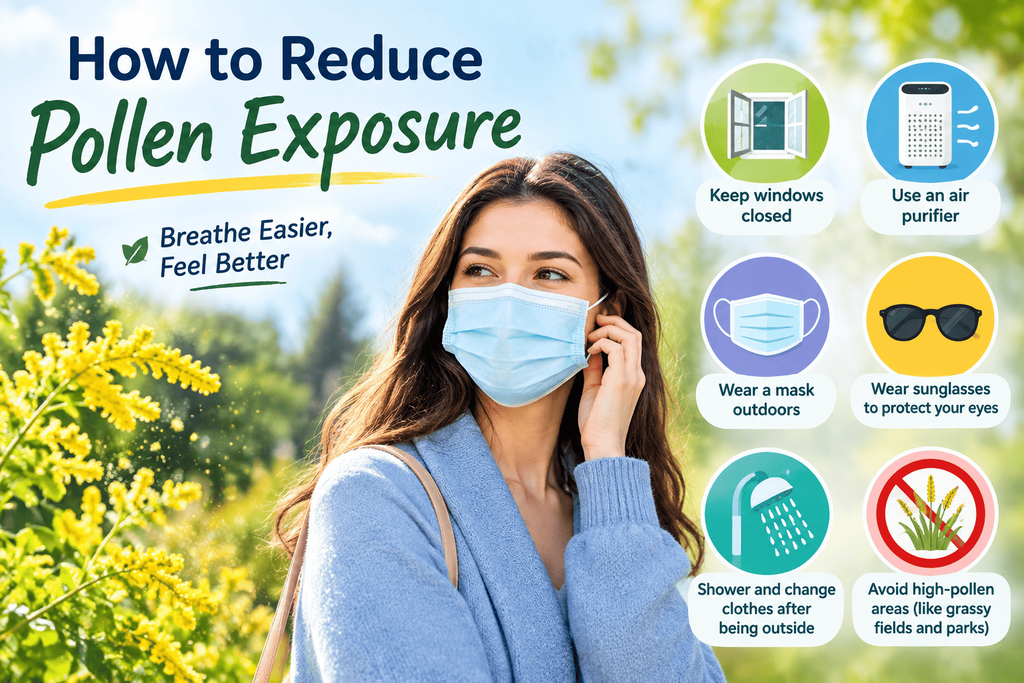
Reducing exposure is an important part of managing pollen sensitivity symptoms. You do not necessarily have to stay indoors all the time. Instead, simple habits can help reduce the amount of pollen you encounter.
Check Pollen Levels
Before spending a lot of time outside, check the local pollen forecast. If pollen levels are high, consider limiting outdoor activities or choosing times when pollen exposure is lower.
Keep Windows Closed
During periods of high pollen, keeping windows and doors closed can help reduce the amount of pollen entering your home. Air conditioning and appropriate filtration can also help improve indoor comfort.
Shower After Being Outdoors
Pollen can collect on your hair, skin, and clothing. Showering after spending significant time outside can help remove pollen before going to bed.
Change Clothes
Changing clothes after outdoor activities can reduce the amount of pollen carried into your home.
Wash Bedding Regularly
Regularly washing bedding can help remove allergens that may accumulate on fabrics.
Clean Your Home
Dusting and vacuuming can help reduce particles inside your living environment. Pay particular attention to bedrooms and other areas where you spend a lot of time.
Wear Sunglasses Outdoors
Sunglasses can help reduce the amount of airborne pollen that reaches the eyes. This may be particularly helpful for people who experience itchy or watery eyes.
Pollen Sensitivity and Outdoor Activities
People with pollen allergies do not necessarily need to avoid outdoor activities completely. Walking, exercising, and spending time outside can still be part of a healthy lifestyle.

The key is to understand your triggers and plan activities accordingly. On days with high pollen levels, you may prefer indoor exercise or shorter outdoor activities.
If gardening is one of your hobbies, consider wearing protective clothing and washing your hands and face afterward. You can also avoid mowing grass yourself if it strongly triggers your symptoms.
Pollen Sensitivity vs. a Cold
Pollen allergies and colds can sometimes look similar, but there are differences.
Pollen sensitivity commonly causes repeated sneezing, itchy eyes, an itchy nose, watery eyes, and clear nasal drainage. A cold may cause symptoms such as sore throat, cough, body aches, and sometimes fever.
Timing is another useful clue. If symptoms repeatedly appear during a particular pollen season and improve when pollen exposure decreases, an allergy may be more likely.
However, symptoms can overlap, so a healthcare professional can help determine the cause if you are unsure.
Treatment Options
Treatment depends on the severity and type of symptoms. Some people manage mild symptoms by reducing pollen exposure. Others may need allergy medications.
Common approaches can include antihistamines, nasal allergy medicines, or eye drops. Some people with persistent or significant allergies may benefit from allergy testing and personalized treatment.
AAFA also notes that people who do not receive enough relief from symptom medicines can discuss options such as immunotherapy with an allergy specialist.
It is best to speak with a healthcare professional before starting a new medication, particularly if you have other medical conditions or take other medicines.
When Should You See a Doctor?
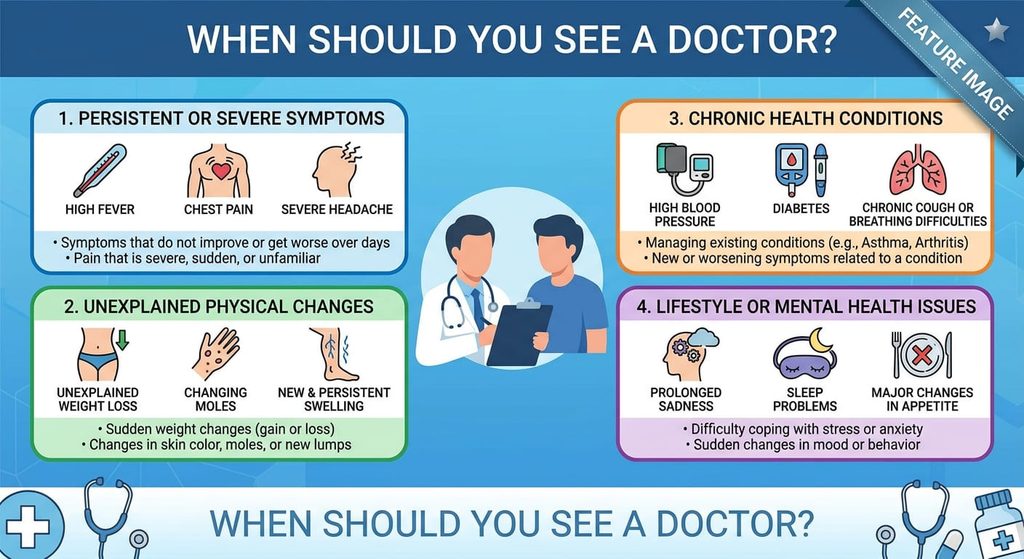
You should consider speaking with a healthcare professional if your symptoms are frequent, severe, interfere with sleep, affect school or work, or do not improve with basic allergy-management strategies.
People with asthma should pay particular attention to breathing problems during pollen season. If pollen triggers asthma symptoms, an appropriate asthma management plan can be important.
Seek urgent medical care for severe difficulty breathing or other serious symptoms.
Final Thoughts
Understanding pollen sensitivity symptoms can make seasonal allergies easier to recognize and manage. Sneezing, runny or blocked nose, itchy eyes, watery eyes, throat irritation, coughing, and asthma symptoms can all be associated with pollen exposure.
Pollen levels vary by location and season, so knowing your local pollen patterns can be useful. The 2026 AAFA Allergy Capitals report shows that several U.S. metropolitan areas face significant seasonal allergy challenges.
Simple habits such as checking pollen forecasts, keeping windows closed during high-pollen periods, washing after outdoor activities, changing clothes, and reducing exposure can help. If symptoms are persistent or severe, talking with an allergy specialist or healthcare professional can help you find an appropriate management plan.