
Fatty liver disease—medically referred to as metabolic dysfunction-associated steatotic liver disease (MASLD)—is often called a “silent killer”. This designation stems from its ability to quietly develop inside your body for years, or even decades, without triggering severe distress. However, the liver is not entirely voiceless. Long before permanent structural damage occurs, your body sends faint signals indicating that excess fat is accumulating in liver cells and interfering with crucial metabolic functions.
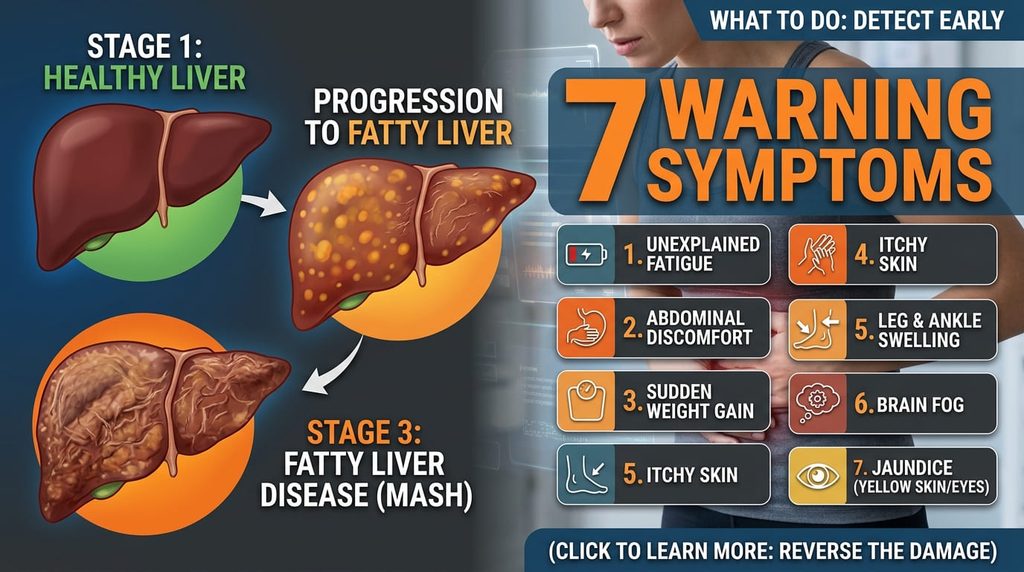
Recognizing early fatty liver symptoms can mean the difference between simple, reversible lifestyle adjustments and managing severe, irreversible liver scarring (cirrhosis). This detailed guide breaks down seven warning signs you should never overlook, explains how fatty liver disease develops, highlights top medical institutions in the U.S. offering specialized care, and provides actionable steps to protect your liver health.
What Is Fatty Liver Disease?
Your liver performs over 500 essential bodily functions daily. It filters toxins, processes nutrients from digested food, produces bile to digest fats, balances blood sugar levels, and synthesizes critical blood-clotting proteins.
When excess fat accumulates within liver cells—accounting for more than 5% to 10% of the liver’s total weight—fatty liver disease develops.
The condition generally falls into two primary categories:
- Metabolic Dysfunction-Associated Steatotic Liver Disease (MASLD): Formally known as Non-Alcoholic Fatty Liver Disease (NAFLD), this form is strongly linked to insulin resistance, metabolic syndrome, obesity, type 2 diabetes, high cholesterol, and elevated blood pressure.
- Metabolic Dysfunction-Associated Steatohepatitis (MASH):Formally known as NASH, this is a more aggressive stage where fat buildup leads to chronic cellular inflammation, tissue swelling, and progressive liver fibrosis (scarring).
Because early-stage fat accumulation rarely causes sharp pain, subtle physical clues are your most critical defense.
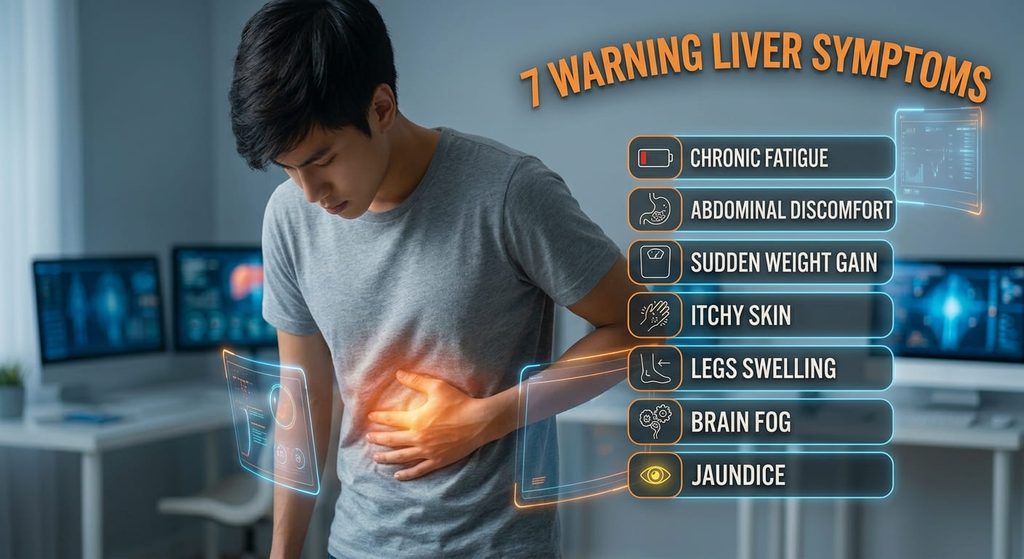
7 Warning Fatty Liver Symptoms You Shouldn’t Ignore
1. Unexplained, Chronic Fatigue
Feeling constantly exhausted despite getting a full night’s sleep is one of the most frequent early fatty liver symptoms. When fatty deposits compromise liver performance, the body struggles to efficiently convert nutrients into energy, regulate blood glucose levels, and store glycogen properly. This metabolic lag leaves you feeling chronically drained, foggy, and sluggish throughout the day.
2. Fullness or Dull Discomfort in the Upper Right Abdomen
The liver is situated under the rib cage on the right side of the abdomen. As fat builds up, the liver can become enlarged and inflamed, stretching the sensitive outer capsule surrounding the organ. While it rarely causes sharp, unbearable pain in its early stages, many people report a constant dull ache, persistent tightness, or a sensation of heavy fullness in the upper right side of their stomach.
3. Persistent Abdominal Bloating and Fluid Retention
When liver function slows, fluid dynamics within the blood vessels are disrupted. As inflammation or early scarring develops, blood flow through the liver becomes restricted (portal hypertension), leading to fluid leaks. You may notice persistent abdominal bloating (ascites) that doesn’t resolve after digestion, or localized swelling (edema) in your feet, ankles, and lower legs.
4. Unexplained Skin Changes (Itching & Spider Angiomas)
Your skin frequently reflects internal organ health:
- Pruritus (Unexplained Itching): Bile salts can accumulate in the bloodstream when the liver cannot process bile efficiently, causing intense, persistent itching without an obvious rash or skin allergy.
- Spider Angiomas: These are small, spider-like blood vessels that appear near the surface of the skin, typically on the chest, shoulders, neck, or face, triggered by hormonal imbalances that an overloaded liver fails to clear.
5. Insulin Resistance and Unexplained Weight Changes
Fatty liver disease and metabolic health are tightly linked. Insulin resistance forces the body to produce extra insulin, making it increasingly difficult to burn body fat and causing rapid weight gain around the midsection. Conversely, as inflammation increases in advanced MASH, some individuals experience unexplained, rapid weight loss and muscle loss (sarcopenia) as the liver loses its ability to process proteins efficiently.
6. Mild Confusion or Lack of Focus (“Brain Fog”)
The liver filters out metabolic byproducts, ammonia, and daily toxins circulating in the blood. When fatty accumulation degrades liver efficiency, low concentrations of these toxins can enter general circulation and reach the brain. This leads to subtle cognitive issues, including difficulty concentrating, occasional memory slips, sluggish thinking, or mild brain fog.
7. Yellowing of Eyes or Skin (Jaundice)
Jaundice is a critical red flag signaling that fatty liver disease has progressed to significant inflammation or severe liver damage. It occurs when the liver fails to properly filter bilirubin—a yellow compound produced during the normal breakdown of red blood cells. Bilirubin builds up in the bloodstream, turning the whites of the eyes and skin yellow, while turning urine unusually dark and stools pale or clay-colored.
Summary of Fatty Liver Disease Stages
| Stage | Name | Description | Key Indicators |
| Stage 1 | Simple Fatty Liver (Steatosis) | Excess fat builds up in liver cells with little to no tissue damage. | Mild fatigue, abdominal fullness, or no visible symptoms. |
| Stage 2 | Metabolic Dysfunction Steatohepatitis (MASH) | Fat accumulation leads to cellular inflammation and swelling. | Persistent right-side discomfort, skin itching, elevated liver enzymes. |
| Stage 3 | Liver Fibrosis | Chronic inflammation leads to stiff scar tissue inside the liver. | Progressive fatigue, digestive issues, visible spider veins. |
| Stage 4 | Cirrhosis | Severe, irreversible scarring compromises total liver function. | Jaundice, abdominal fluid buildup (ascites), easy bruising, confusion. |
10 Best Places in the USA for Fatty Liver & Liver Care
If you or a family member are experiencing ongoing fatty liver symptoms, getting evaluated by liver specialists (hepatologists) at a top medical institution is essential. The table below lists 10 of the best hospitals and medical centers across the United States recognized for excellence in digestive disease and hepatology care:
| Rank / Institution | Location (City, State) | Key Expertise & Specialty Focus |
| 1. Mayo Clinic | Rochester, MN | World leader in gastroenterology and hepatology; advanced non-invasive diagnostic imaging (elastography) and pediatric/adult MASH clinical programs. |
| 2. Cleveland Clinic | Cleveland, OH | Globally renowned Liver Center providing comprehensive fatty liver management, metabolic clinics, and transplant surgery. |
| 3. Massachusetts General Hospital | Boston, MA | Leading Harvard Medical School teaching hospital with dedicated multidisciplinary fatty liver programs and clinical trials. |
| 4. Johns Hopkins Hospital | Baltimore, MD | Advanced Hepatology Center specializing in early liver disease detection, metabolic integration, and targeted therapies. |
| 5. NewYork-Presbyterian Hospital | New York, NY | Affiliated with Columbia & Weill Cornell; features the Center for Advanced Digestive Care specializing in complex steatotic liver disease. |
| 6. UCLA Medical Center | Los Angeles, CA | Premier West Coast center offering specialized metabolic liver care, lifestyle interventions, and expert liver care. |
| 7. UCSF Health | San Francisco, CA | Nationally recognized liver program pioneering cutting-edge research in fatty liver reversal and non-invasive biomarker testing. |
| 8. Northwestern Memorial Hospital | Chicago, IL | Comprehensive Comprehensive Transplant and Hepatology Institutes offering targeted therapies for MASH and fibrosis reversal. |
| 9. UT Southwestern Medical Center | Dallas, TX | Specialized Fatty Liver Program combining gastroenterology, weight management, and endocrinology expertise. |
| 10. UPenn Health System (Penn Medicine) | Philadelphia, PA | Top-tier academic medical center with specialized clinics focusing on non-alcoholic fatty liver disease, fibrosis, and metabolic health. |
What to Do Next: Reversing Fatty Liver Disease
The most promising aspect of early-stage fatty liver disease is that the liver has an extraordinary ability to heal and regenerate itself. When detected before severe scarring develops, fat buildup can often be reversed.
1. Request Diagnostic Testing
If you notice any warning signs, schedule a visit with your primary doctor or a gastroenterologist. They will typically recommend:
- Liver Function Tests (ALT/AST):Blood tests to check for elevated liver enzymes.
- Abdominal Ultrasound or FibroScan®:Non-invasive imaging tools that measure fat deposits and liver stiffness/scarring without needles.
2. Adopt a Mediterranean-Style Diet
Transitioning away from processed foods, refined sugars, high-fructose corn syrup, and saturated fats is critical. Prioritize whole foods rich in antioxidants and healthy fats:
- Leafy greens, cruciferous vegetables, and high-fiber grains.
- Healthy fats such as extra virgin olive oil, avocados, and nuts.
- Lean proteins including fish, poultry, and legumes.
3. Aim for Gradual, Sustainable Weight Loss
Losing just 7% to 10% of your total body weight can dramatically reduce liver fat, decrease cellular inflammation, and even reverse early scarring (fibrosis). Avoid extreme crash diets, as rapid starvation-level weight loss can stress the liver.
4. Engage in Regular Physical Activity
Target at least 150 minutes of moderate aerobic exercise (walking, swimming, cycling) per week, paired with 2 to 3 resistance training sessions. Physical activity helps improve insulin sensitivity and burns triglycerides stored in liver tissue, even before major weight loss occurs.
5. Protect Your Liver from Added Toxins
Avoid alcohol completely if you have fatty liver disease, limit unnecessary over-the-counter medications (such as excessive acetaminophen/Tylenol use), and review all dietary supplements with your physician to prevent extra toxic strain on your liver.
Final Thoughts
While fatty liver symptoms often start small—a subtle feeling of fatigue, mild bloating, or slight discomfort in your upper right side—listening to these warning signs early can protect your metabolic and liver health for years to come.Consult a qualified healthcare professional, request diagnostic testing, and build a proactive lifestyle strategy to support your body’s natural ability to recover.
If you want to dive deeper into the early warning signs and how to spot them before progression, this breakdown on Early Warning Signs of Fatty Liver Disease
offers valuable guidance.