
The gallbladder is one of the most underrated organ systems in the human body. Tucked discreetly beneath your liver, this pear-shaped pouch plays a pivotal role in digestive health, metabolism, and lipid breakdown. Despite its vital function, millions of adults experience silent gallstones, severe biliary colic, inflammation, or digestive dysfunction without recognizing the underlying cause.
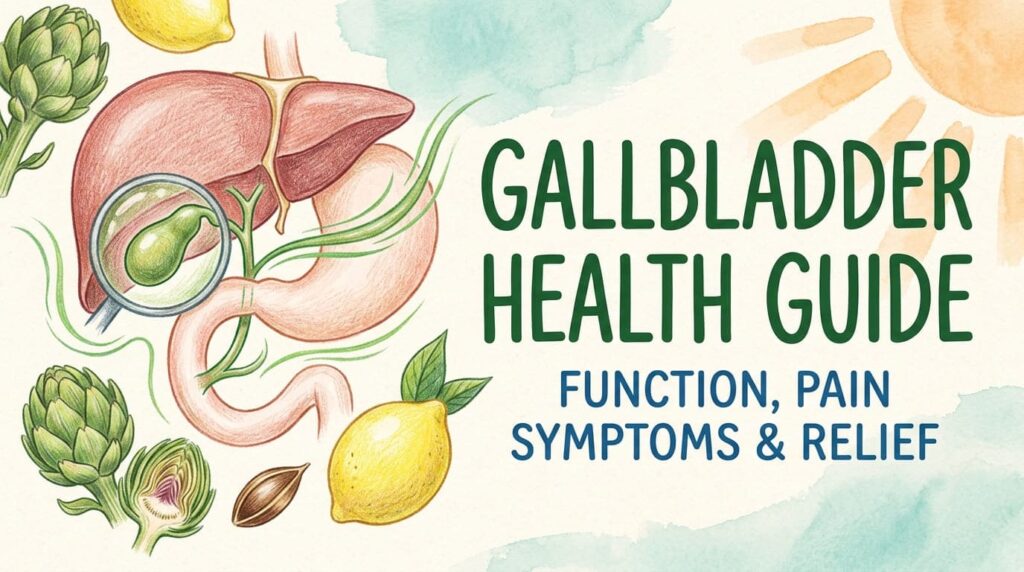
Understanding how your gallbladder works, where it sits, and how to spot warning signs early can help you avoid sudden trips to the emergency room, invasive surgeries, or long-term dietary complications.
What Is the Gallbladder? (Anatomy & Location)
To understand gallbladder health, you first need to understand its physical location and structure within the digestive tract.
Where Is the Gallbladder Located?
Your gallbladder sits in the upper right quadrant (RUQ) of your abdomen, tucked directly beneath the right lobe of the liver. It measures approximately 3 to 4 inches (7 to 10 centimeters) in length and about 1.5 inches in width.
+-----------------------------------------------------------+
|                      HUMAN TORSO                          |
|                                                           |
|       [ Right Side ]                 [ Left Side ]        |
|                                                           |
|         +------------+               +------------+       |
|         |   LIVER    |               |  STOMACH   |       |
|         |            |               +------------+       |
|         |  ( [GALL] )|                                    |
|         +------------+                                    |
|                \                                          |
|                 \---> Bile Duct System                    |
|                        \                                  |
|                         +-----------------+               |
|                         | SMALL INTESTINE |               |
|                         +-----------------+               |
+-----------------------------------------------------------+
The Biliary Tree Structure
The gallbladder acts as a storage reservoir connected to a specialized plumbing network called the biliary tree:
- Hepatic Ducts: Channels that transport bile continuously manufactured by liver cells.
- Cystic Duct: The dedicated outlet connecting the gallbladder to the primary bile pathway.
- Common Bile Duct (CBD): The main trunk that merges with the pancreatic duct before emptying into the duodenum (the initial segment of the small intestine).
What Does the Gallbladder Do? (Primary Functions)
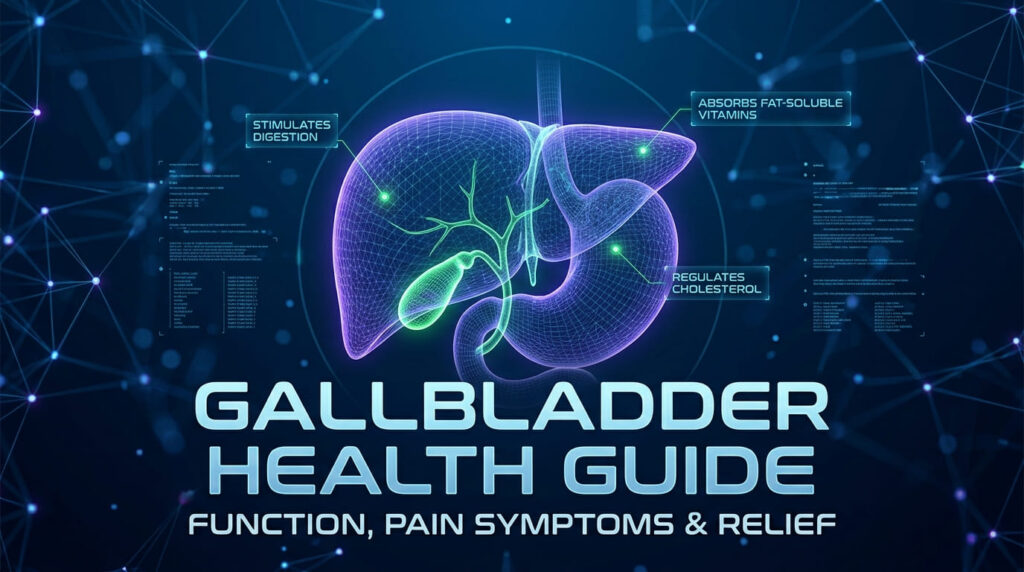
Contrary to popular belief, the gallbladder does not manufacture bile; your liver produces bile continuously (around 500 to 1,000 mL per day). The gallbladder’s primary job is to store, concentrate, and release bile on demand.
[ LIVER ] ---> Produces fluid bile continuously
    |
    v
[ GALLBLADDER ] ---> Stores & concentrates bile (up to 10x)
    |
    | (Triggered by fatty food intake & Cholecystokinin release)
    v
[ SMALL INTESTINE ] ---> Emulsifies fats & aids nutrient absorption
- Bile Concentration: The gallbladder absorbs excess water and electrolytes from raw liver bile, concentrating it up to 10 times its original potency.
- Lipid Emulsification: Bile salts break large fat globules into tiny droplets, allowing digestive enzymes (lipases) to efficiently process dietary fats.
- Nutrient Absorption: Proper bile flow ensures your body absorbs fat-soluble vitamins: Vitamin A, D, E, and K.
- Waste Elimination: Bile serves as a excretion route for excess cholesterol, bilirubin (a byproduct of broken-down red blood cells), and metabolic waste.
Common Gallbladder Diseases and Conditions
When bile becomes chemically imbalanced or structural blockages occur within the biliary tract, several disorders can develop:
1. Cholelithiasis (Gallstones)
Gallstones are hardened deposits that precipitate out of stagnant or imbalanced bile. They fall into two main categories:
- Cholesterol Stones (80% of cases): Formed when bile contains too much cholesterol and insufficient bile salts. They appear yellow-green.
- Pigment Stones (20% of cases): Dark brown or black stones formed from excess bilirubin, often linked to liver cirrhosis or blood disorders.
2. Cholecystitis (Gallbladder Inflammation)
Cholecystitis occurs when a gallstone lodges in the cystic duct, blocking fluid outflow. This leads to pressure buildup, severe tissue inflammation, infection, and potential tissue necrosis if left untreated.
- Acute Cholecystitis: Sudden, intense inflammation accompanied by fever, high white blood cell count, and sharp right upper quadrant pain.
- Chronic Cholecystitis: Repeated mild attacks that cause the gallbladder wall to thicken, scar, and lose its contractile ability over time.
3. Choledocholithiasis & Biliary Colic
When a stone escapes the gallbladder and lodges directly inside the common bile duct, it triggers choledocholithiasis. This causes severe, wave-like pain (biliary colic) and can trigger secondary complications like jaundice or acute pancreatitis.
4. Biliary Dyskinesia (Functional Gallbladder Disorder)
In this condition, no physical gallstones are visible under ultrasound, yet the organ fails to contract effectively due to muscular or neuromuscular dysfunction.
Recognizing Gallbladder Pain & Symptoms
Identifying gallbladder discomfort early is essential for preventing dangerous infections or structural ruptures.
+-----------------------------------------------------------------------+
|                       GALLBLADDER PAIN SIGNALS                        |
+-----------------------------------------------------------------------+
|  Primary Location : Upper Right Quadrant (RUQ) below right rib cage    |
|  Referred Pain    : Right Shoulder Blade / Upper Middle Back          |
|  Pain Duration    : 30 minutes to 4+ hours continuous ache            |
|  Common Triggers  : High-fat meals, fried foods, heavy dairy          |
+-----------------------------------------------------------------------+
Classic Symptoms
- Sharp or Gnawing RUQ Pain: Steady pain in the upper right abdomen that often intensifies after eating high-fat meals.
- Referred Pain: Pain radiating to the right shoulder blade, back, or center of the chest (often mistaken for a heart attack).
- Nausea and Vomiting: Frequently accompanies severe biliary spikes.
- Bloating & Indigestion: Persistent gas, belching, and upper abdominal fullness after eating.
Warning Signs of Emergency Complications
Seek immediate emergency medical evaluation if you experience any of the following “red flag” symptoms:
- Jaundice: Yellowing of the eyes (sclera) and skin caused by bile pigment build-up in the bloodstream.
- High Fever & Chills: Indicates an active bacterial infection (acute cholecystitis or cholangitis).
- Dark Urine & Pale Stools: Indicates a severe blockage in the main bile duct.
Diagnosis, Treatment & Gallbladder Care
Diagnostic Tests
If you suspect gallbladder issues, healthcare professionals typically utilize:
- Abdominal Ultrasound: The gold standard, non-invasive imaging tool to detect stones, sludge, or wall thickening.
- HIDA Scan (Cholescintigraphy): A nuclear imaging test that measures the gallbladder’s ejection fraction to evaluate functional efficiency.
- MRCP / ERCP: Specialized MRI or endoscopic procedures designed to view and clear bile duct obstructions.
Treatment & Relief Options
- Dietary Adjustments: Reducing saturated fats, fried foods, and refined sugars helps reduce strain during mild flare-ups.
- Medications: Oral bile acid pills (such as ursodiol) can occasionally dissolve small cholesterol stones, though treatment takes months or years.
- Surgical Removal (Cholecystectomy): Laparoscopic gallbladder removal is one of the most common surgical procedures performed worldwide. Because the liver continues producing bile directly into the small intestine, most individuals digest food normally without a gallbladder.
🗺️ Bonus Travel Guide: 10 Best Places to Visit in the USA
In addition to taking care of your health, taking time to rest, de-stress, and explore natural landscapes plays a major role in overall wellness. Below is a curated list of ten top-rated travel destinations across the United States to inspire your next getaway.
| # | Destination | Location / State | Primary Highlights & Attractions | Best Time to Visit |
| 1 | Grand Canyon National Park | Arizona | Panoramic geological vistas, South Rim trails, Colorado River rafting | March – May, Sept – Nov |
| 2 | Yellowstone National Park | Wyoming / Montana / Idaho | Old Faithful geyser, Grand Prismatic Spring, abundant wildlife | April – May, Sept – Oct |
| 3 | New York City | New York | Statue of Liberty, Central Park, Broadway shows, world-class dining | Sept – Nov, April – June |
| 4 | Yosemite National Park | California | El Capitan, Half Dome, giant sequoia groves, dramatic waterfalls | May – September |
| 5 | Maui | Hawaii | Haleakala sunrise views, Road to Hana, tropical beaches, whale watching | April – May, Sept – Nov |
| 6 | New Orleans | Louisiana | Historic French Quarter, live jazz music, iconic Creole cuisine | February – May |
| 7 | Zion National Park | Utah | The Narrows hike, Angels Landing, dramatic red sandstone canyons | March – May, Sept – Nov |
| 8 | Charleston | South Carolina | Cobblestone streets, historic French Quarter, southern hospitality & food | March – May, Sept – Nov |
| 9 | Niagara Falls | New York | Maid of the Mist boat tours, breathtaking natural waterfall views | June – August |
| 10 | San Francisco | California | Golden Gate Bridge, Alcatraz Island, historic cable cars, ocean views | September – November |
Frequently Asked Questions (FAQs)
Can you live a normal life without a gallbladder?
Yes. The liver continuously produces bile and secretes it directly into the small intestine. While your body loses its concentrated storage reservoir, most individuals adapt smoothly with minor, temporary diet modifications.
What foods trigger gallbladder attacks?
High-fat foods are the primary trigger. Foods heavy in saturated fats—such as fried chicken, heavy cream, butter, greasy cuts of meat, and high-fat pastries—force the gallbladder to contract forcefully against blockages.
What is the difference between a gallstone and a kidney stone?
- Gallstones form in the gallbladder from cholesterol or bilirubin build-up.
- Kidney stones form in the urinary tract from mineral salts (such as calcium oxalate or uric acid).
Final Thoughts
Your gallbladder plays an essential supporting role in fat digestion and waste filtration. Recognizing the early symptoms of biliary colic—such as post-meal upper right abdominal pain, nausea, or back radiation—enables you to take proactive steps before complications arise. Maintaining a balanced, high-fiber, low-saturated-fat diet while staying active is your best strategy for long-term biliary health.