

Are You Eating Food All Wrong? 3 Daily Habits Trashing Your Gut
We eat every single day, yet over 80% of adults make critical daily mistakes that cause bloating, sudden energy crashes, and unexpected weight gain. Eating isn’t just about filling your stomach—it’s about how your body processes fuel.
Here are three simple shifts to fix your digestion immediately:
- Chew 20 Times Per Bite: Digestion starts in the mouth. Gulping down meals forces your stomach to work twice as hard, triggering severe bloating and sluggishness.
- Stop Drinking Ice Water with Meals: Chilling your digestive system during a meal dilutes crucial stomach acids, slowing metabolic breakdown.
- Ditch the “Screen Snack”: Eating while scrolling on your phone distracts your nervous system, leading to mindlessly overeating up to 30% more calories without feeling full.
The Bottom Line Food is supposed to fuel your day, not leave you reaching for a nap. Swap the distracted, rushed meals for mindful eating starting today, and watch your energy levels skyrocket within 48 hours.
What specific aspect of eating—like meal planning, gut health, or healthy recipes—are you hoping to highlight next?
Food is much more than something that fills an empty stomach. Every meal provides the body with energy and nutrients needed to grow, repair tissues, maintain organs, support the immune system, and keep the brain functioning properly. The quality of the food we eat can influence how we feel today and can also contribute to our long-term health.
Healthy eating does not mean following a strict diet or avoiding every food you enjoy. Instead, it means creating a balanced eating pattern that includes a variety of nutritious foods while limiting foods that provide large amounts of added sugar, sodium, unhealthy fats, and calories with relatively little nutritional value.
The goal is simple: eat a variety of nourishing foods, enjoy meals mindfully, and develop habits that can last.
Why Eating Food Matters
Our bodies need nutrients to perform thousands of functions every day. Protein helps maintain and repair muscles and other tissues. Carbohydrates provide an important source of energy. Healthy fats support the brain, cells, and hormone production. Vitamins and minerals help regulate numerous body processes, while fiber supports digestive health.
When meals are built around a variety of nutritious foods, the body receives a broader range of nutrients. This can support energy, physical performance, concentration, immune function, and overall well-being.
Food can also be an important part of enjoyment and social connection. Sharing a meal with family or friends, preparing favorite recipes, and experiencing different cuisines can make healthy eating enjoyable rather than restrictive.
What Is Healthy Eating?

Healthy eating means choosing foods from different food groups and creating balance over time.
A nutritious eating pattern commonly includes:
- Fruits and vegetables
- Whole grains
- Beans, peas, and lentils
- Fish and other lean proteins
- Eggs and poultry
- Nuts and seeds
- Healthy unsaturated fats
- Low-fat or suitable dairy and dairy alternatives
It also means being mindful of highly processed foods, excessive sodium, added sugars, and unhealthy fats.
There is no single perfect diet for everyone. Nutritional needs vary according to age, activity level, health conditions, culture, preferences, and other factors. A healthy eating pattern should therefore be practical and flexible.
The Benefits of Eating Nutritious Food

1. Provides Energy
Food supplies the energy needed for walking, working, exercising, thinking, and carrying out everyday activities.
Whole grains, fruits, vegetables, legumes, and other nutrient-rich foods can contribute to balanced meals that provide sustained nourishment. Eating regular, balanced meals can also make it easier to maintain steady energy throughout the day.
2. Supports Growth and Repair
Protein is essential for building and repairing body tissues. It is particularly important for muscles, skin, enzymes, hormones, and many other structures and functions.
Good protein sources include fish, poultry, eggs, beans, lentils, tofu, yogurt, nuts, and seeds.
Combining protein with vegetables, whole grains, and healthy fats can create balanced and satisfying meals.
3. Supports the Immune System
A healthy immune system depends on many factors, including adequate nutrition, sleep, physical activity, and general health.
Fruits and vegetables provide vitamins, minerals, antioxidants, and plant compounds that contribute to normal body functions. Protein and other nutrients are also necessary for maintaining the cells and tissues involved in immune responses.
No single food can prevent illness, but a varied diet can help provide the nutrients the body needs to function normally.
4. Supports Brain Health
The brain requires a constant supply of energy and nutrients. Healthy eating can therefore be part of supporting concentration, memory, mood, and overall cognitive function.
Foods such as vegetables, fruits, whole grains, fish, nuts, seeds, and legumes provide a wide range of nutrients that can contribute to a balanced diet.
Adequate sleep, regular physical activity, stress management, and social engagement are equally important parts of maintaining brain health.
5. Supports Heart Health
Eating habits can influence several cardiovascular risk factors, including cholesterol, blood pressure, and body weight.
A heart-conscious eating pattern emphasizes vegetables, fruits, whole grains, legumes, fish, nuts, seeds, and unsaturated fats. It generally limits excessive sodium, added sugars, saturated fats, and highly processed foods.
Replacing less nutritious foods with healthier alternatives can be a practical way to improve the overall quality of meals.
6. Supports Digestive Health
Dietary fiber is particularly important for healthy digestion. Fiber is found naturally in foods such as vegetables, fruits, beans, lentils, whole grains, nuts, and seeds.
Fiber can help support regular bowel movements and contribute to feelings of fullness. Increasing fiber gradually and drinking enough fluids can help the digestive system adjust to dietary changes.
A varied diet also provides different types of plant foods that can contribute to a diverse and healthy gut environment.
7. Helps With Healthy Weight Management
Healthy eating can support maintaining a body weight appropriate for an individual’s health.
Rather than relying on extreme restrictions, sustainable weight management focuses on nutritious foods, appropriate portions, regular physical activity, adequate sleep, and realistic habits.
Vegetables, fruits, whole grains, beans, lean proteins, and other high-fiber foods can help make meals satisfying while providing important nutrients.
The Building Blocks of a Balanced Diet
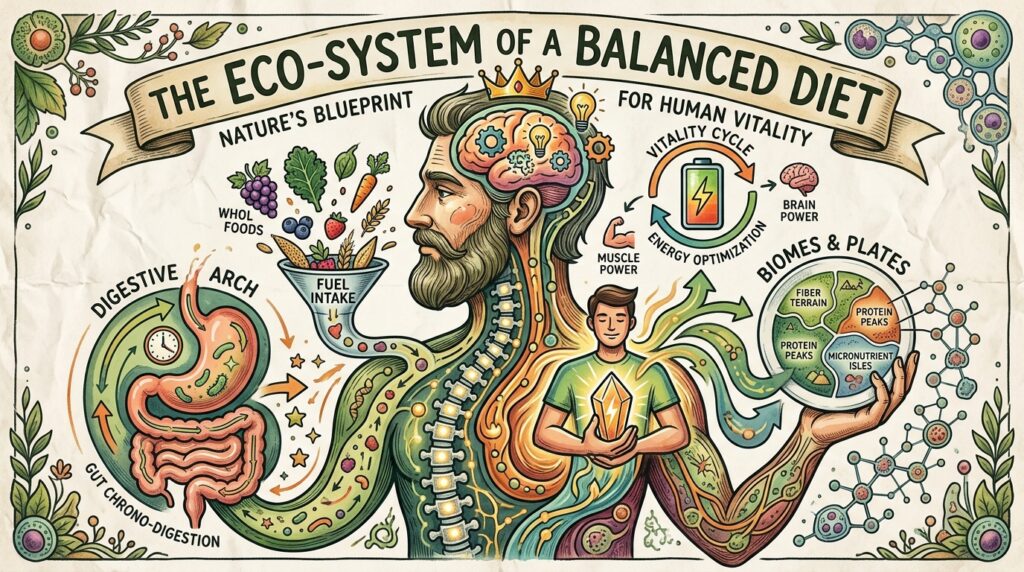
Fruits and Vegetables
Try to include a variety of colors and types. Leafy greens, broccoli, tomatoes, carrots, berries, apples, oranges, peppers, and other produce all provide different nutrients.
Fresh, frozen, and appropriately stored canned produce can all be useful choices.
Whole Grains
Whole grains contain more of the grain’s natural components than refined grains and are often good sources of fiber.
Examples include oats, brown rice, barley, quinoa, whole-wheat bread, and whole-grain pasta.
Lean Proteins
Fish, poultry, eggs, beans, lentils, tofu, and other protein-rich foods can contribute to healthy meals.
Including different protein sources throughout the week can increase variety and nutritional balance.
Healthy Fats
Foods such as avocados, nuts, seeds, olives, and olive oil provide predominantly unsaturated fats.
These foods can be nutritious additions to meals, although portion sizes remain important because fats are energy-dense.
Dairy and Alternatives
Milk, yogurt, cheese, and fortified dairy alternatives can provide nutrients such as calcium and, depending on the product, vitamin D and protein.
Choose options that fit your nutritional needs and preferences, while being mindful of added sugar and saturated fat.
Foods to Limit
Healthy eating does not mean that you can never enjoy treats. However, some foods are best consumed less frequently.
These include:
- Sugary drinks and excessive sweets
- Highly processed snack foods
- Foods very high in sodium
- Deep-fried and heavily greasy foods
- Foods high in saturated fat
- Large amounts of refined carbohydrates
- Excessive alcohol
The overall pattern matters more than one individual meal.
Tips for Smarter Eating
Eat a variety of foods.
Different foods provide different nutrients, so variety helps create a more balanced diet.
Plan meals.
Planning meals and snacks ahead of time can make nutritious choices easier when you are busy.
Pay attention to portions.
Even nutritious foods can contribute more calories than needed when portions are consistently very large.
Eat mindfully.
Slow down, enjoy your food, and pay attention to hunger and fullness signals.
Drink enough water.
Water is essential for many body functions. Make it your primary beverage when possible.
Read food labels.
Check serving sizes, sodium, added sugars, saturated fat, fiber, and other nutrition information when comparing packaged foods.
Cook at home more often.
Home cooking gives you greater control over ingredients, portion sizes, and preparation methods.
A Sample Day of Healthy Eating
Breakfast:
Oatmeal topped with berries, a small serving of nuts, and plain yogurt or a suitable dairy alternative.
Morning snack:
A banana or apple with a small serving of unsalted nuts.
Lunch:
Grilled chicken, beans, or another lean protein served with quinoa or brown rice and a large mixed-vegetable salad.
Afternoon snack:
Plain Greek yogurt with fresh fruit or a small portion of vegetables with hummus.
Dinner:
Baked salmon or another protein with steamed broccoli, roasted vegetables, and a serving of sweet potato.
Hydration:
Water throughout the day, with unsweetened tea or infused water as alternatives.
This is only an example. Individual nutritional needs can vary, so meals should be adjusted accordingly.
Eating Food Mindfully
Healthy eating is not only about what we eat. How we eat can matter too.
Mindful eating means slowing down and paying attention to the experience of eating. Instead of rushing through meals while distracted, try to notice flavors, textures, hunger, and fullness.
Eating slowly may also make meals more enjoyable and give the body more time to recognize fullness.
It is perfectly reasonable to enjoy favorite foods. A sustainable approach allows room for treats while making nutritious foods the foundation of everyday meals.
Making Healthy Eating a Lifestyle
The most successful approach to healthy eating is one that fits your real life.
Start with simple changes. Add an extra serving of vegetables to dinner. Replace one sugary beverage with water. Choose whole-grain bread instead of refined bread. Include fruit with breakfast. Cook one additional meal at home each week.
Once these changes become comfortable, build on them.
Do not expect perfection. One less nutritious meal does not cancel weeks of healthy choices. The important thing is to return to your usual routine and continue moving forward.
Final Thoughts
Eating food is one of the most basic things we do every day, yet our food choices can have a significant influence on our health and quality of life. Nutritious foods provide energy, support growth and repair, help maintain body systems, and contribute to physical and mental well-being.
A balanced diet does not need to be complicated. Focus on vegetables and fruits, whole grains, healthy proteins, nuts and seeds, and appropriate sources of healthy fats. Drink water regularly, pay attention to portions, and limit highly processed foods, excess sodium, added sugars, and unhealthy fats.
Most importantly, make healthy eating enjoyable and sustainable.
Food is not simply fuel—it is nourishment for the body, support for the mind, and an important part of living well.
what is eating food Mukband?
Eating Food Mukbang is an online audio-visual broadcast where a host eats large quantities of food while interacting with the audience.
- Origin: Started in South Korea in the late 2000s (combining muk-ja “eating” and bang-song “broadcast”).
- Key Appeal: ASMR sounds (crunching, chewing), visually satisfying food spreads, and virtual companionship during meals.
- Common Foods: Spicy ramen, fried chicken, seafood boils, boba, and fast food.
what is Eating food meaning?
Eating food refers to the voluntary physical act of consuming edible substances through the mouth to provide the body with essential energy, nutrients, and hydration required for survival and healthy physiological functioning.
Core Aspects of “Eating Food”
- Physical Process (Ingestion): Involves putting food into the mouth, chewing (mastication) to break it into smaller pieces, mixing it with saliva, and swallowing (deglutition) down the esophagus into the stomach.
- Biological Purpose (Nutrition): Supplies macro-nutrients (carbohydrates, proteins, fats) and micro-nutrients (vitamins, minerals) that fuel cellular activity, body repair, tissue growth, and immune support.
- Psychological & Social Context: Serves as a fundamental daily habit that satisfies hunger cues, triggers pleasure responses via sensory taste receptors, and connects individuals through shared cultural or family meal rituals.
what is Eating food challenge?
An eating food challenge is a contest or viral trend where participants consume specific quantities, extreme types, or unusual combinations of food under set rules (such as time limits or high speed) for entertainment, prizes, or social media content.
Common Types
- Speed & Quantity: Eating a massive meal (e.g., 5-lb burger or 50 hot dogs) within a set time.
- Spice & Flavor: Eating extremely spicy items (e.g., ghost pepper or Carolina Reaper noodles).
- Social Media Trends: Viral challenges involving strict food rules, blindfolded taste tests, or unusual food combinations.